The Highstyle guide to video clipping and content clipping in 2026.
Long-form analysis on video clipping and content clipping — the clipper economy, content rewards, platform algorithms, and the tools that actually move short-form video. Written for operators, creators, and brand teams who want to ship.
Foundations
Core concepts and how the industry actually works.
What Is Video Clipping? A Complete Guide for 2026
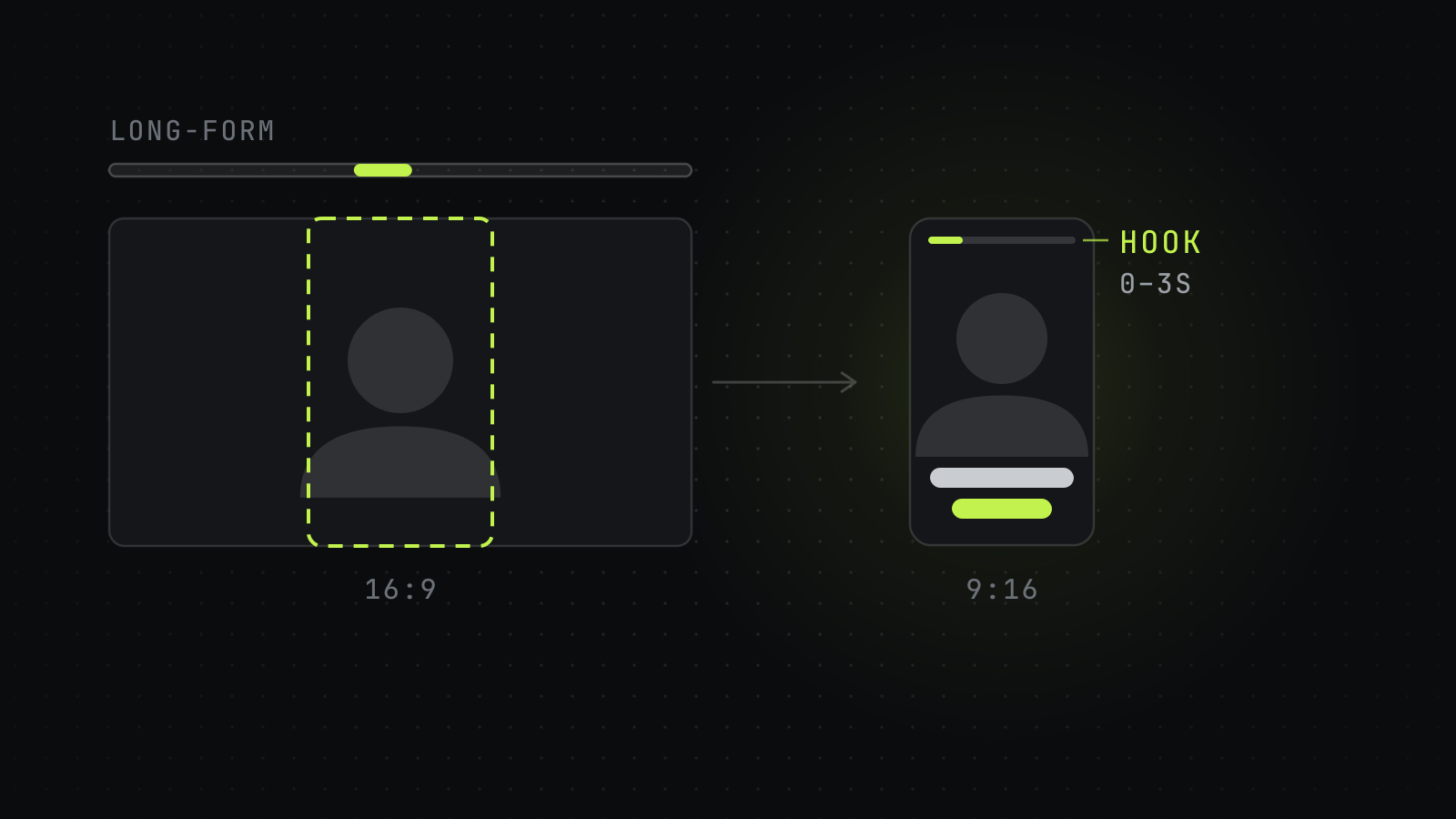
Video clipping is the practice of cutting long-form video into short vertical clips for TikTok, Reels, Shorts, and X. Here is how it works in 2026.
10 Short-Form Video Hook Frameworks That Actually Work in 2026
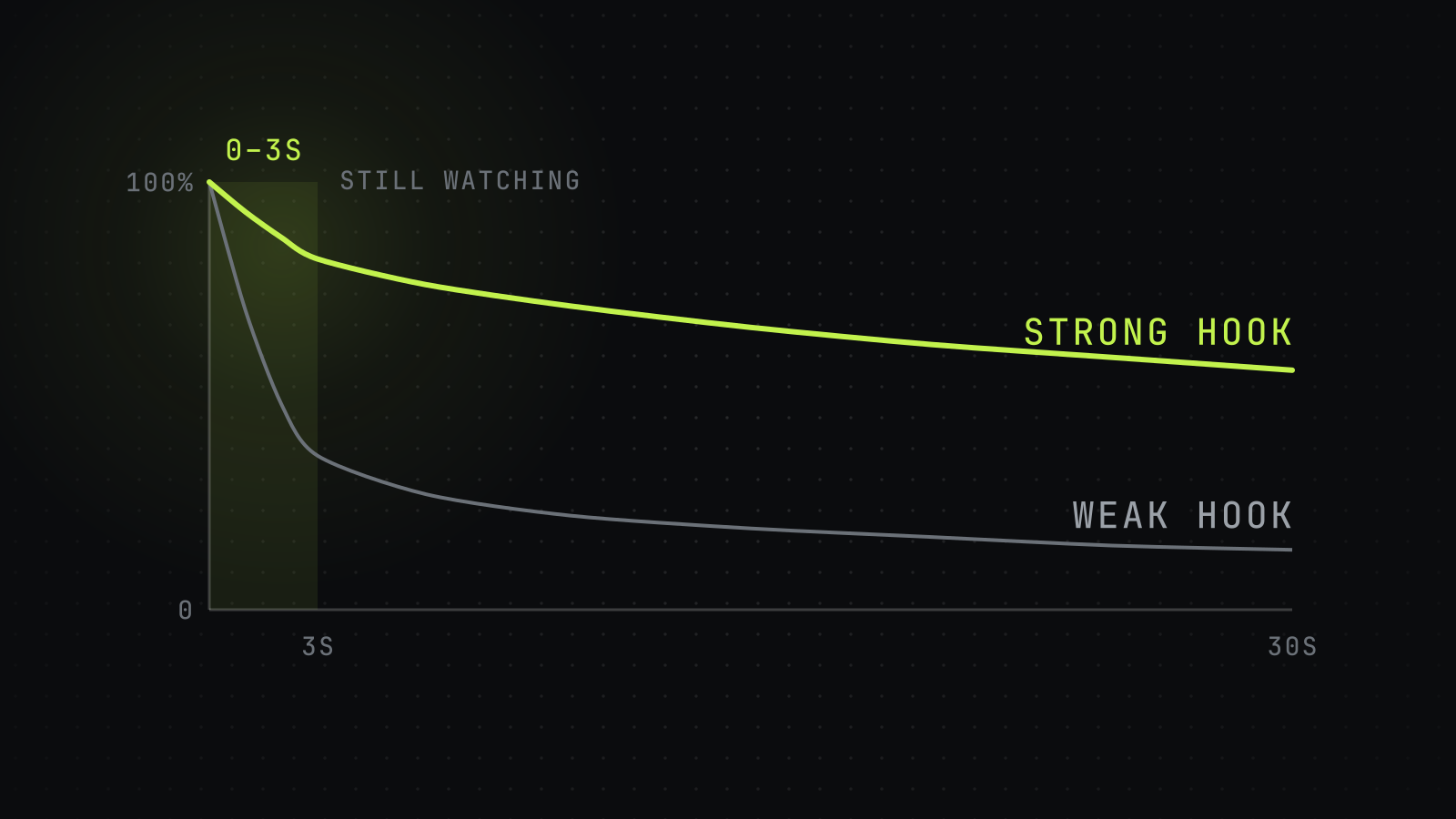
The 10 hook frameworks that drive the highest 3-second hold rates on TikTok, Reels, and Shorts in 2026, with examples and the pacing rules behind them.
Best Clip Length for TikTok, Reels, and Shorts in 2026
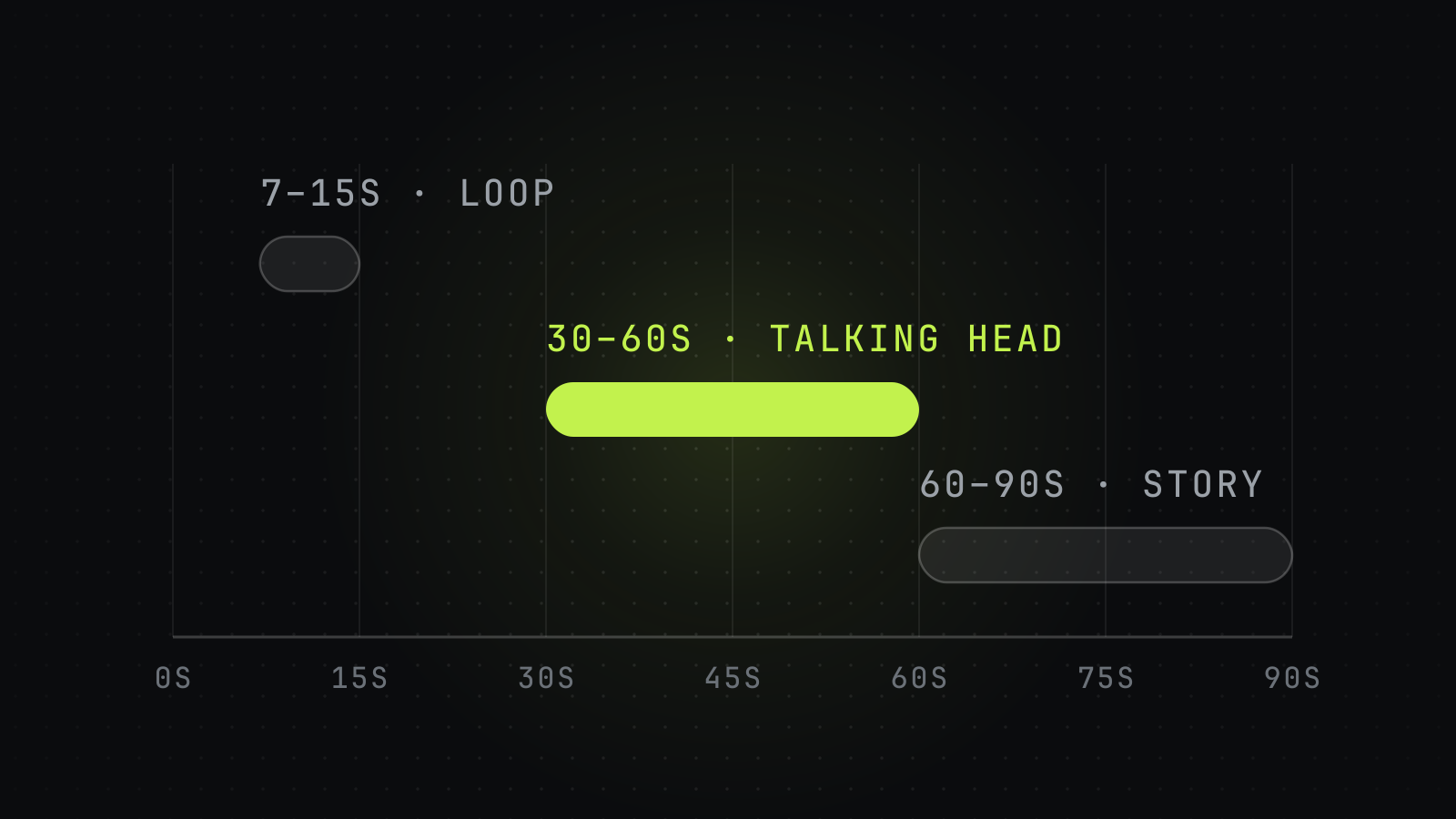
The algorithm-optimized clip lengths for TikTok, Instagram Reels, and YouTube Shorts in 2026 — and why completion rate, not duration, is what you're really optimizing.
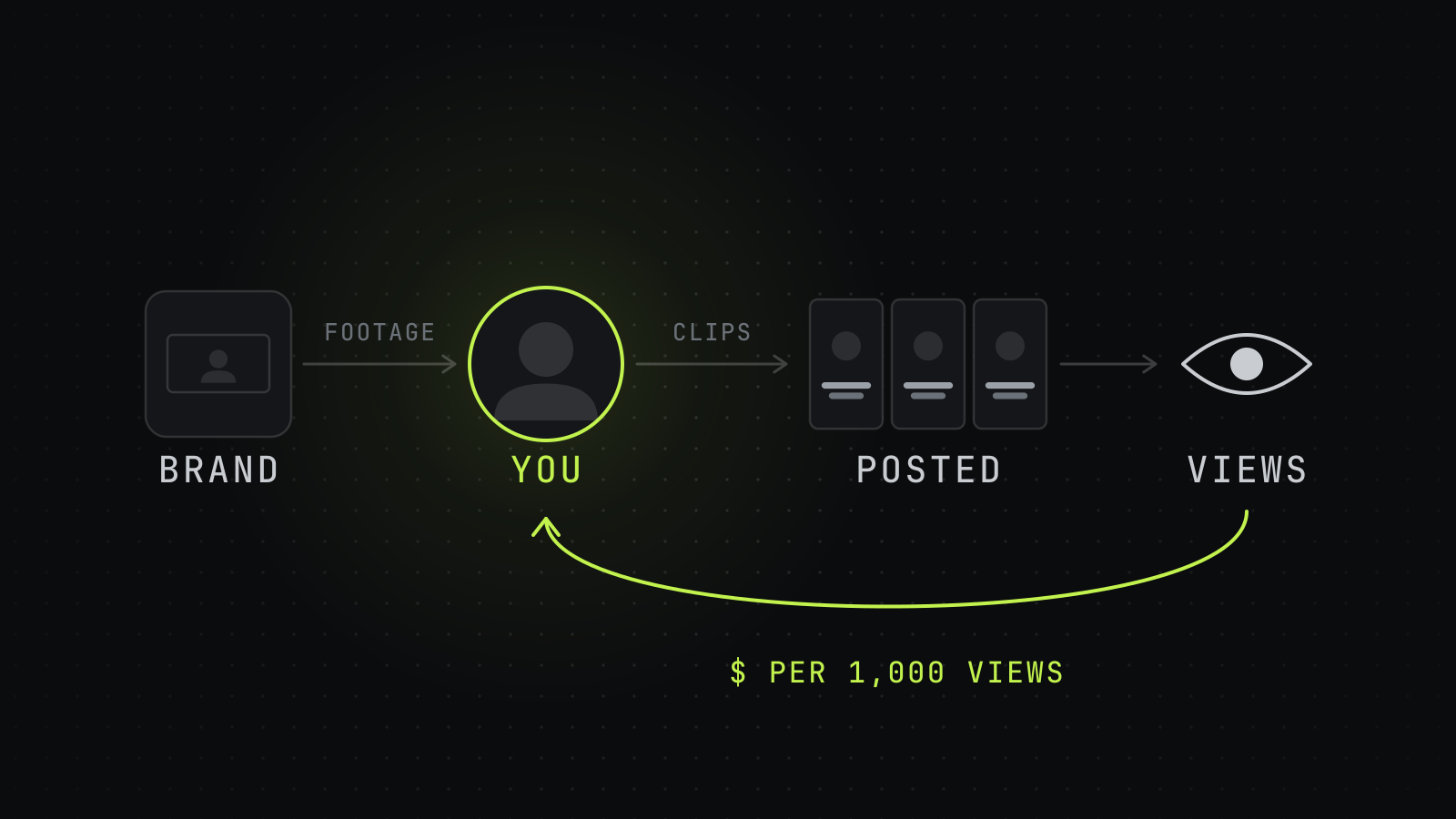
What Is Content Clipping? The 2026 Guide to Getting Paid to Clip
Content clipping is cutting long-form video into short clips that get distributed at scale — and increasingly, paid per view. What it is, how it pays, how to start.
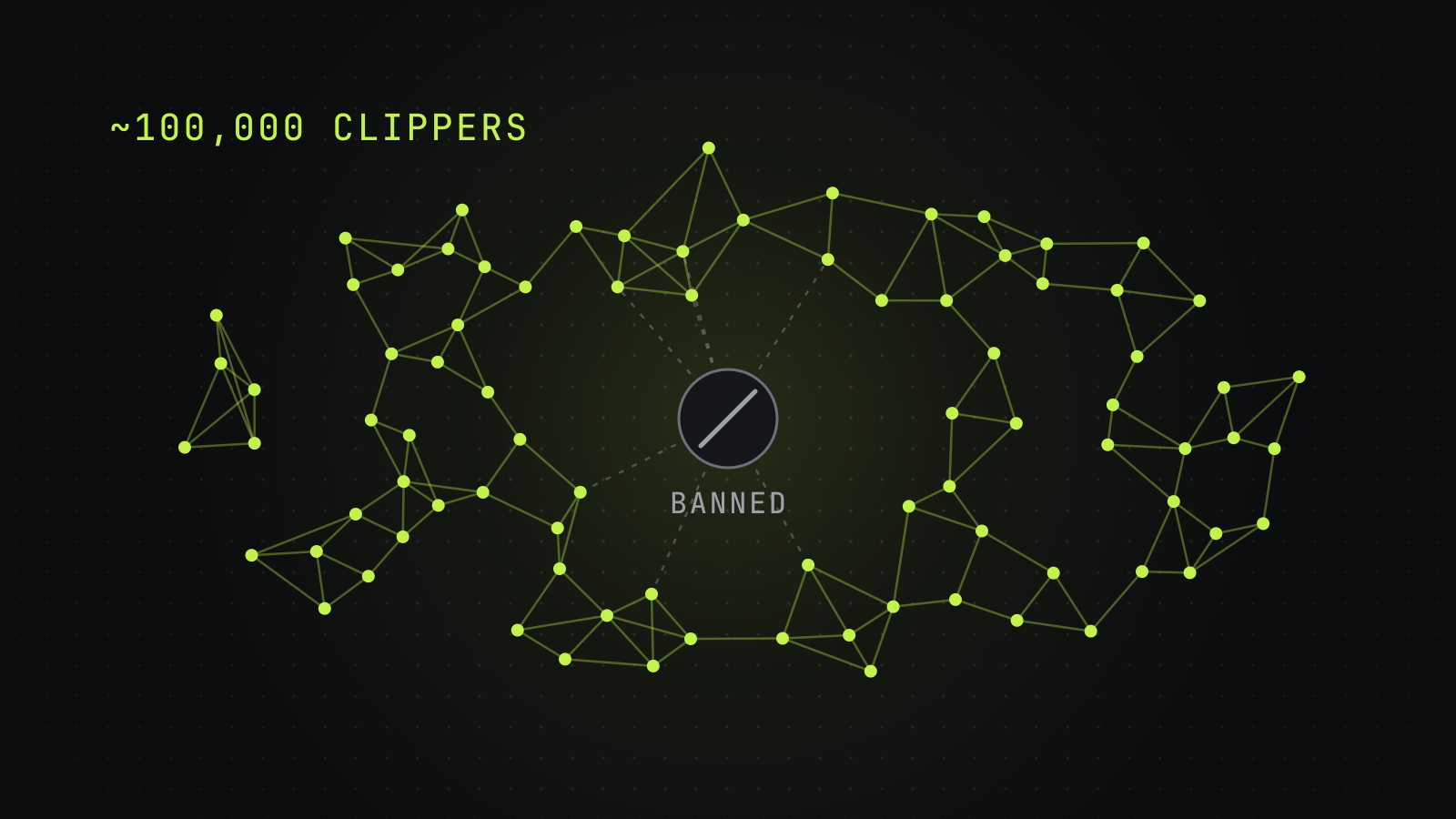
Clipping: How Andrew Tate Became the Most Googled Man on Earth
In 2022 Andrew Tate out-searched Trump, Kardashian and COVID-19 without buying an ad. The mechanism was an army of paid clippers. Here is how it worked.
AI Tools
Honest comparisons of the AI clipping tools we've shipped through.
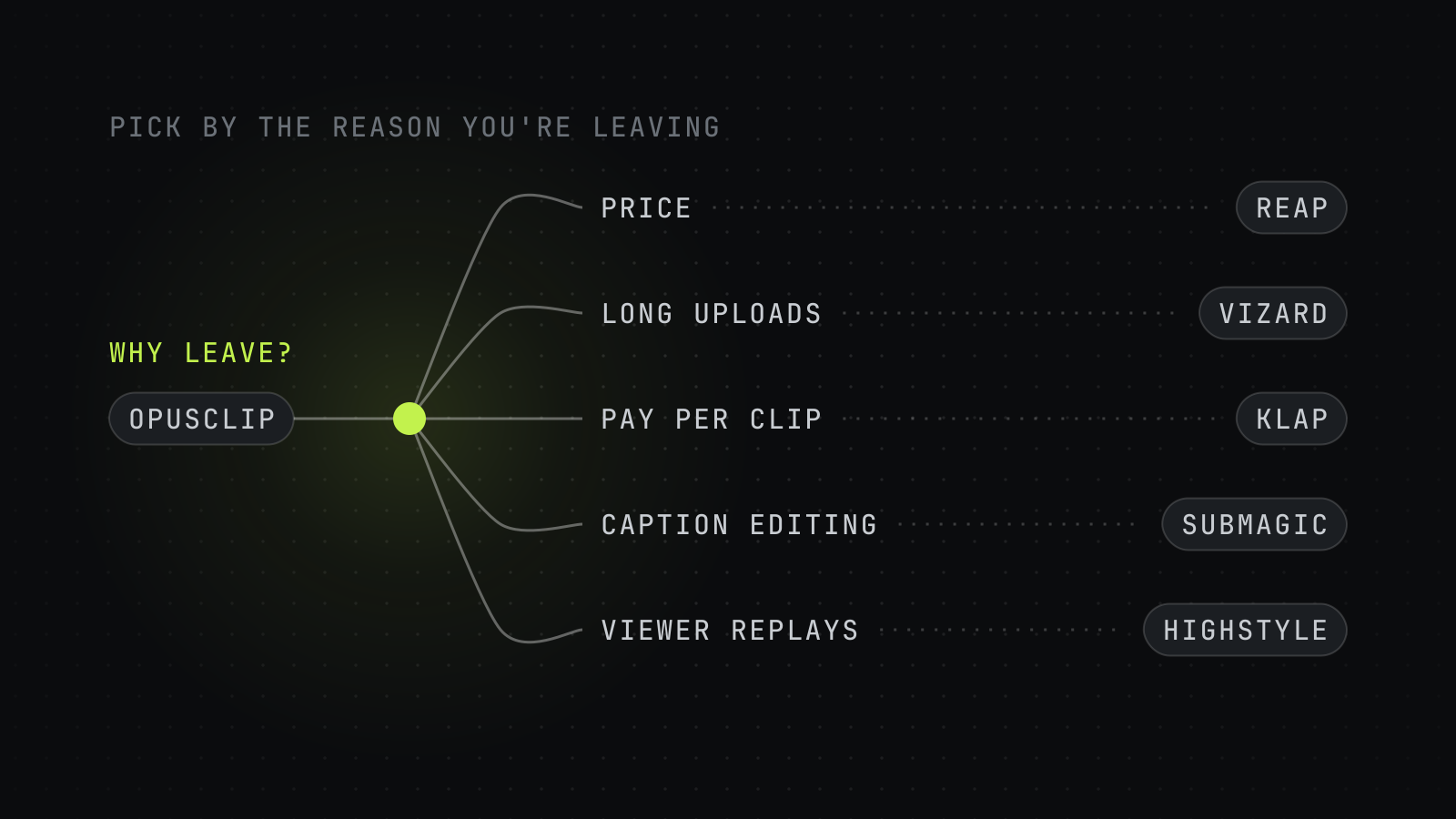
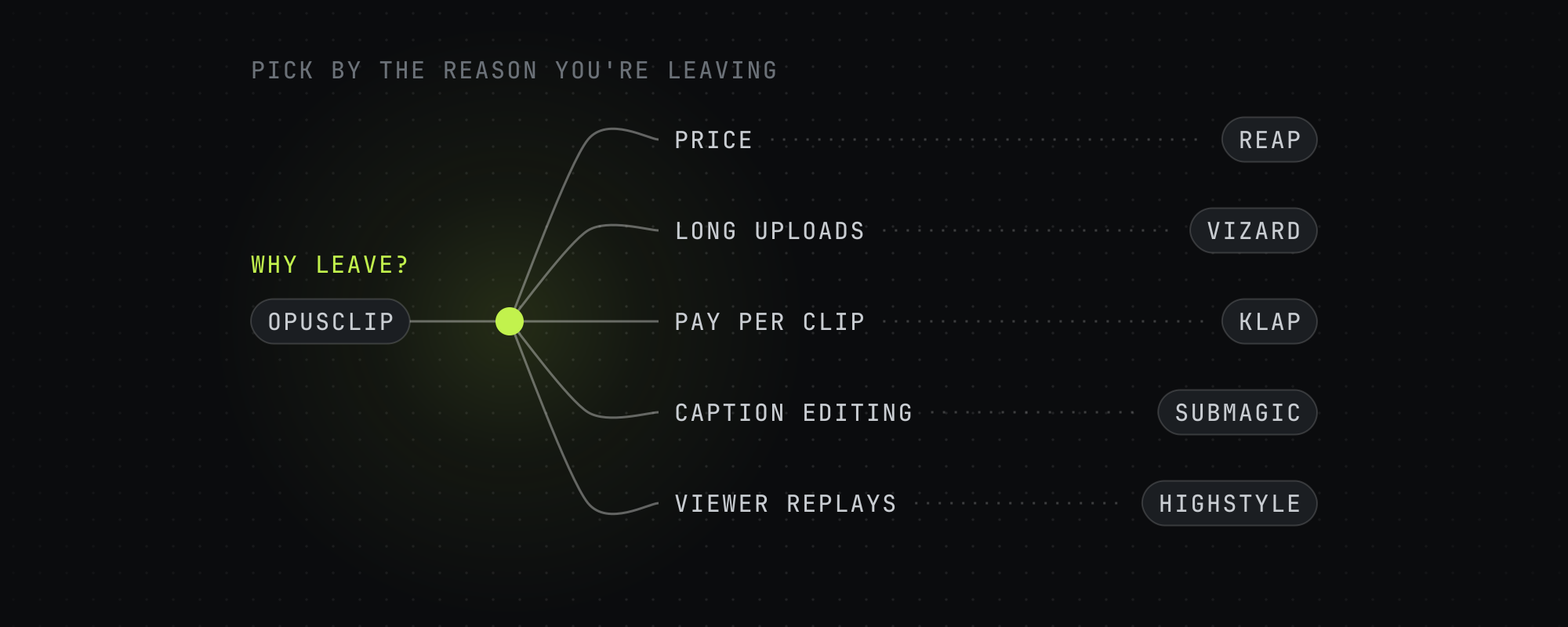
Opus Clip Alternatives in 2026: 5 AI Clippers Compared on Price and Limits
Five Opus Clip alternatives checked on October 15, 2026: Vizard, Reap, Klap, Submagic and Highstyle, compared on price, minutes, Twitch links and API access.
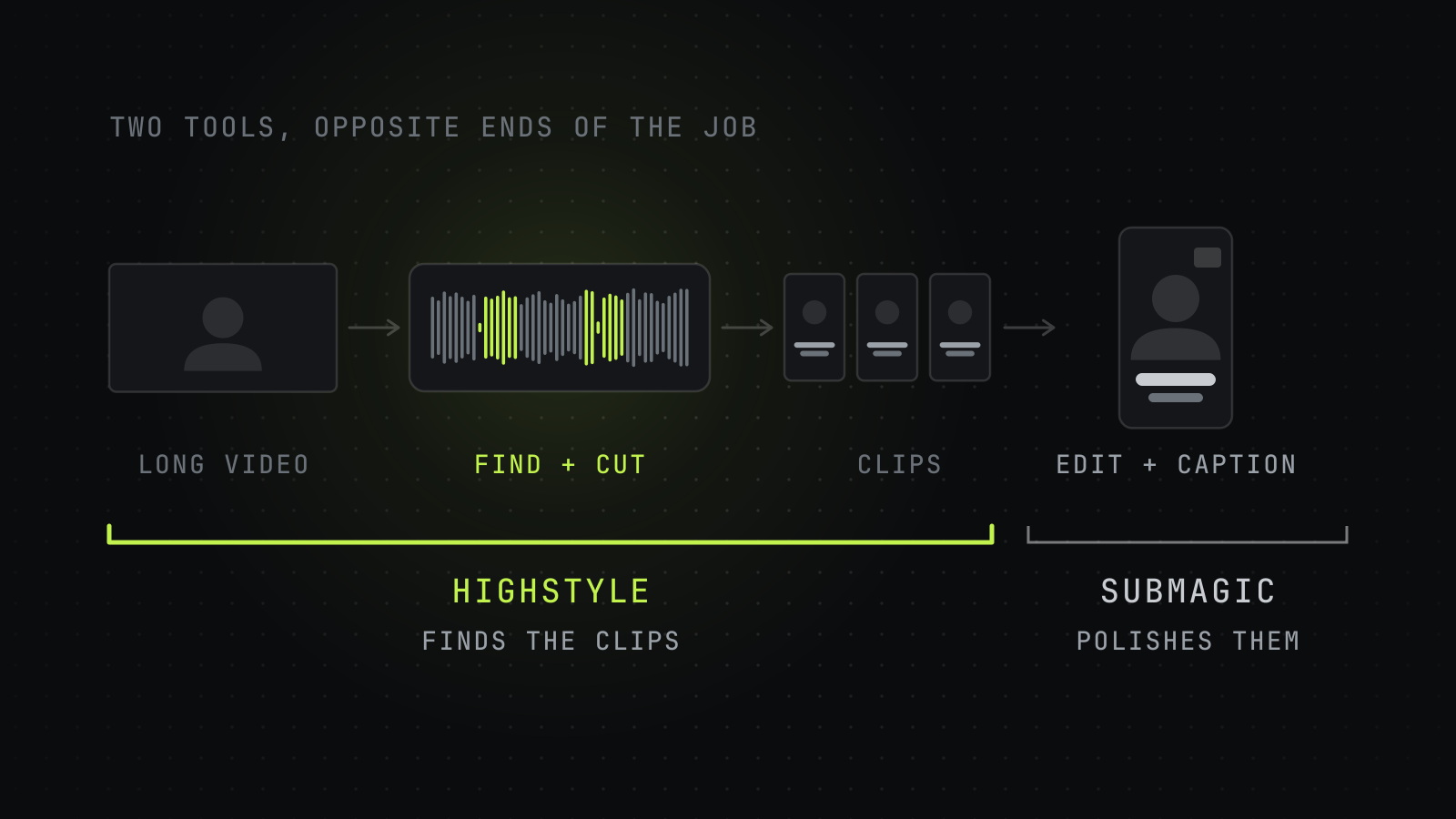
Highstyle vs Submagic (2026): Long-Video Clipper or Caption Editor?
Highstyle turns long videos into ranked clips. Submagic edits and captions short ones and sells long-video clipping as a $19 add-on. Checked October 15, 2026.
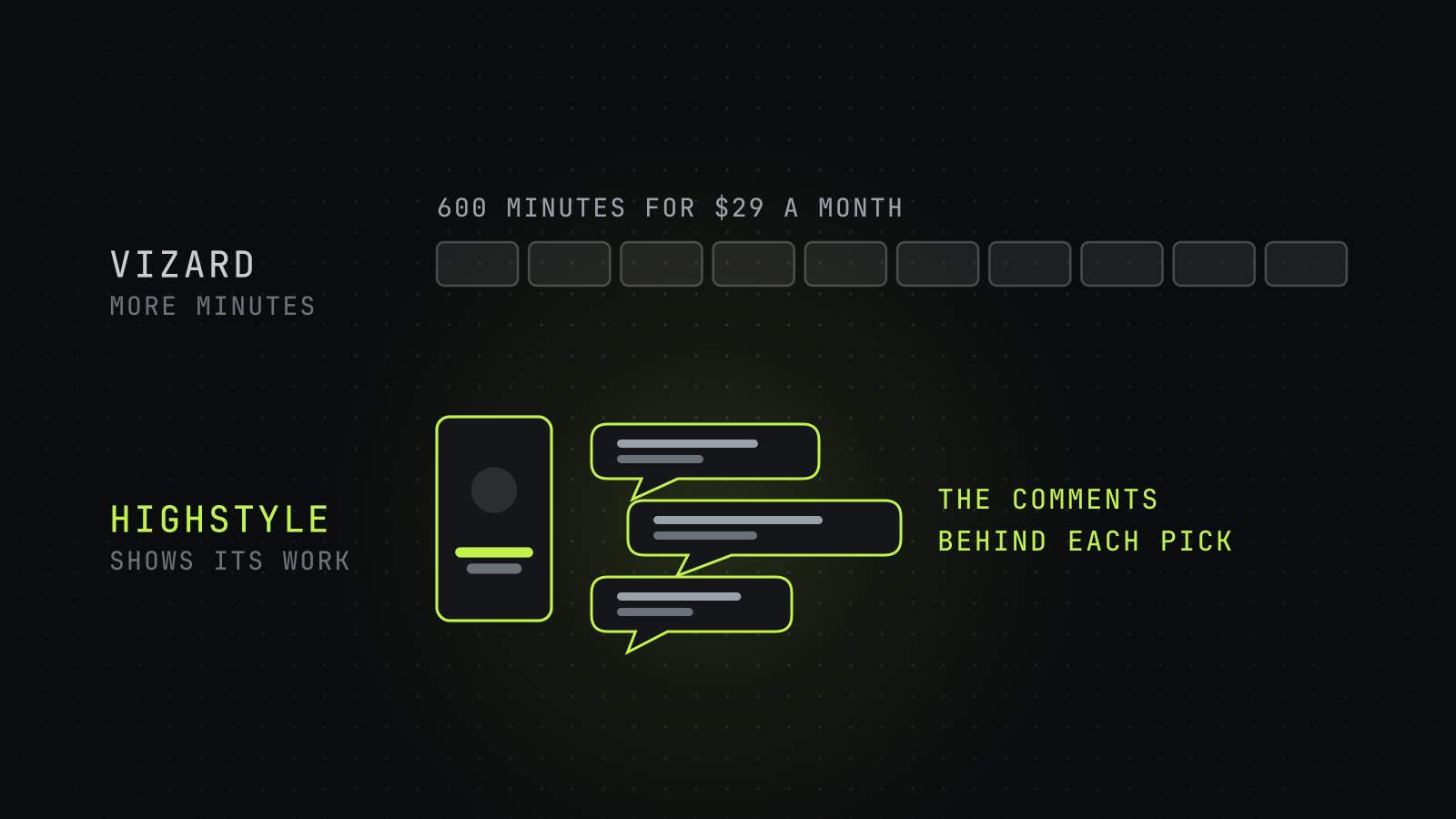
Highstyle vs Vizard (2026): Price, Limits and How Each Picks Clips
Vizard sells more minutes per dollar, 4K exports and scheduling. Highstyle reads YouTube's replay graph and comments to pick moments. Checked October 15, 2026.
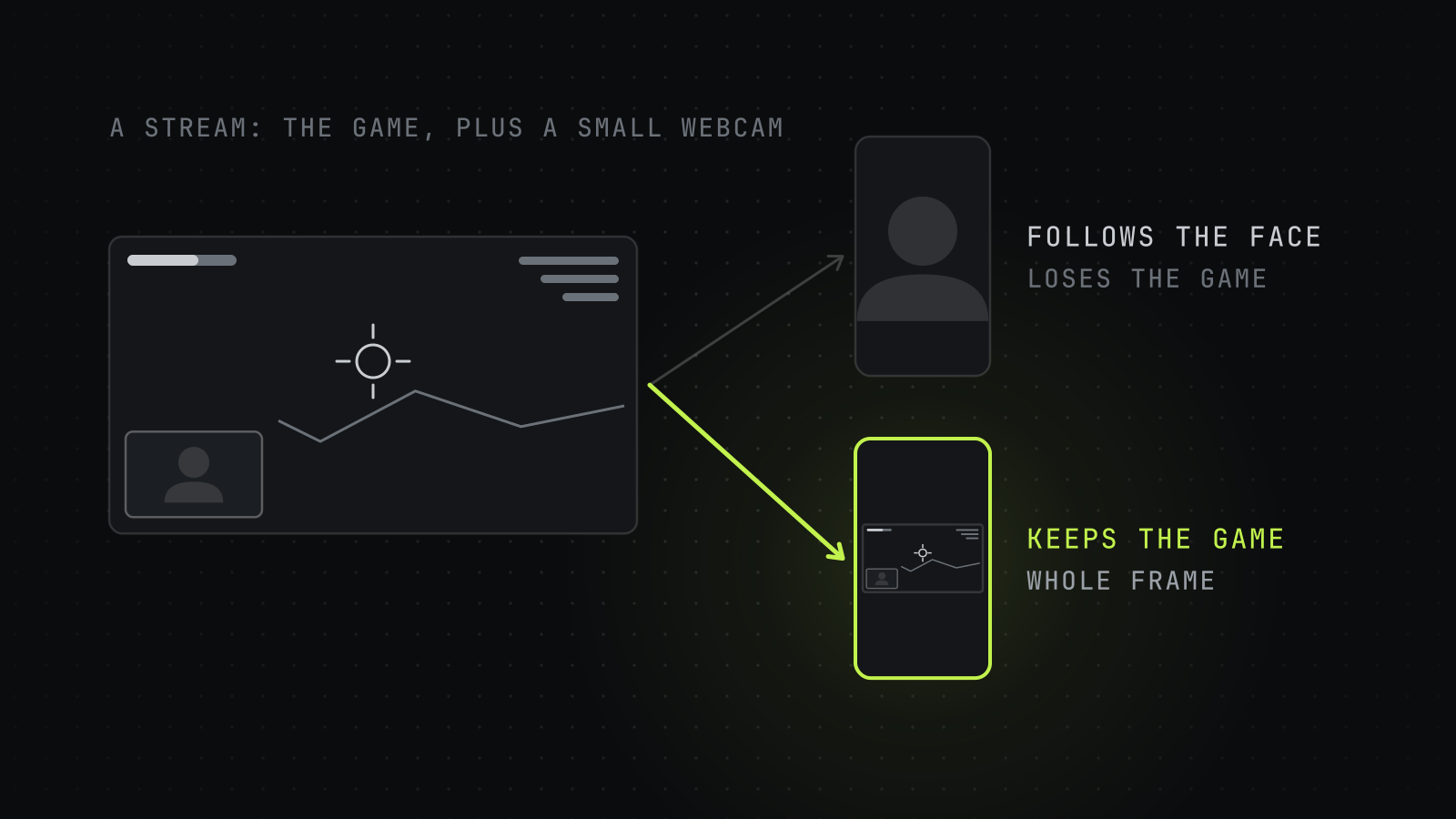
Best AI Clipping Tool for Streamers and Gaming in 2026
Six AI clippers for Twitch, Kick and YouTube streamers, checked October 15, 2026: what each reads to find moments, which links it takes and what it costs.
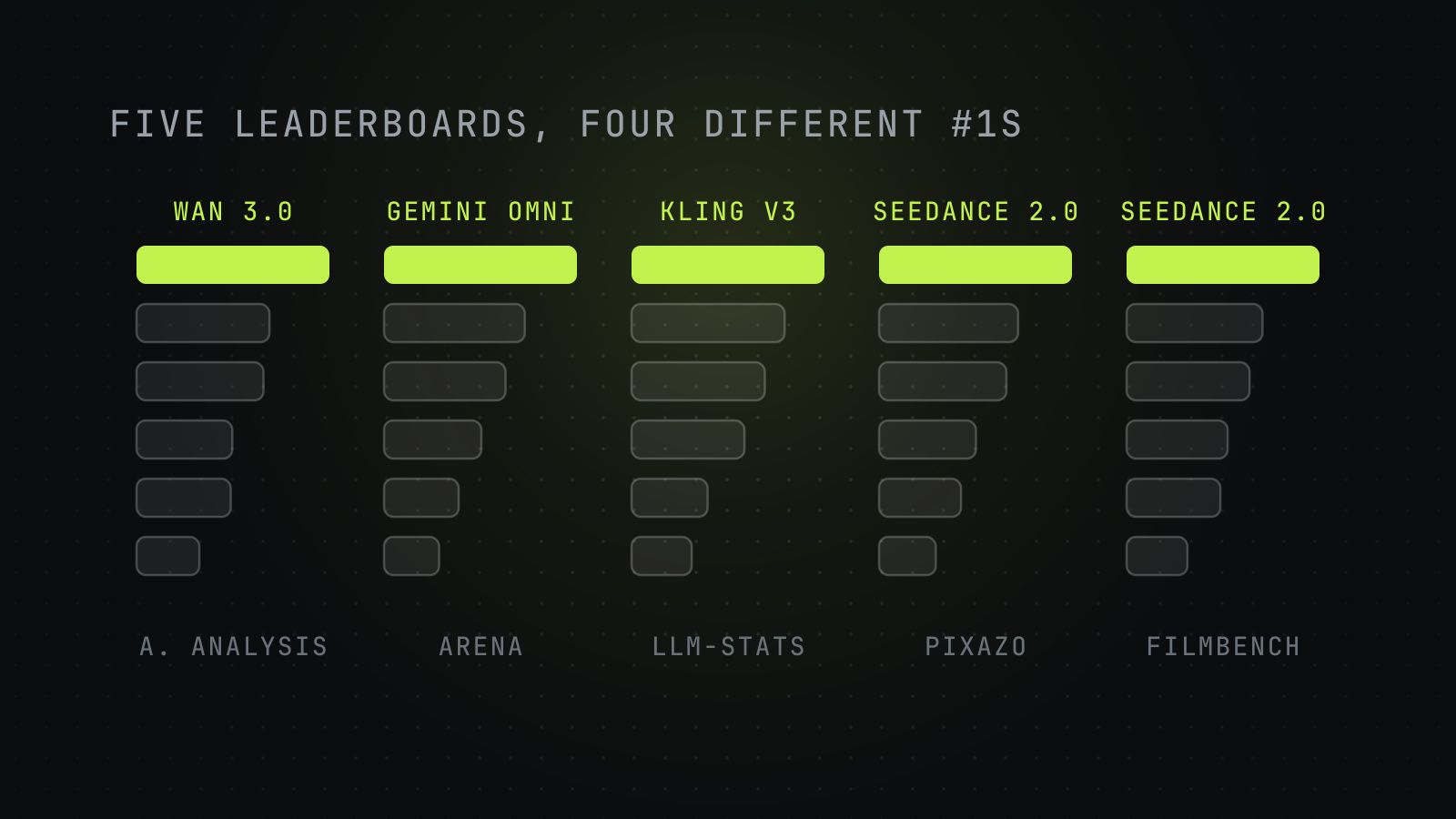
The Best AI Video Model for Ads in 2026: Five Boards, Four Winners
Five leaderboards name four different winners. The best AI video model for ads in 2026, judged on what a finished 30-second spot really costs to make.
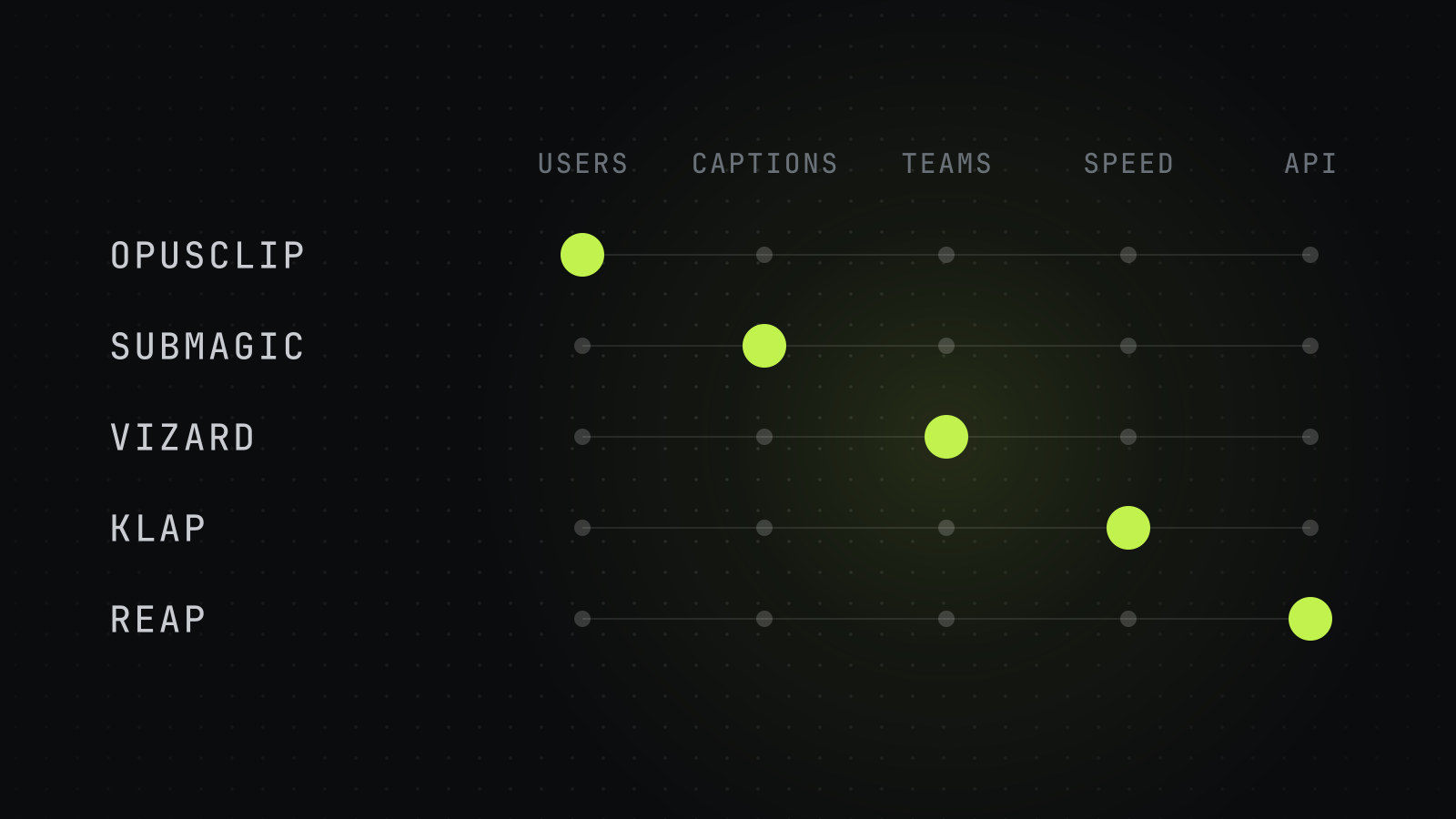
The Best AI Video Clipping Tools in 2026
Nine AI clipping tools compared on price, limits and how each picks moments, from OpusClip and Vizard to Reap, Klap and Submagic. Checked October 15, 2026.
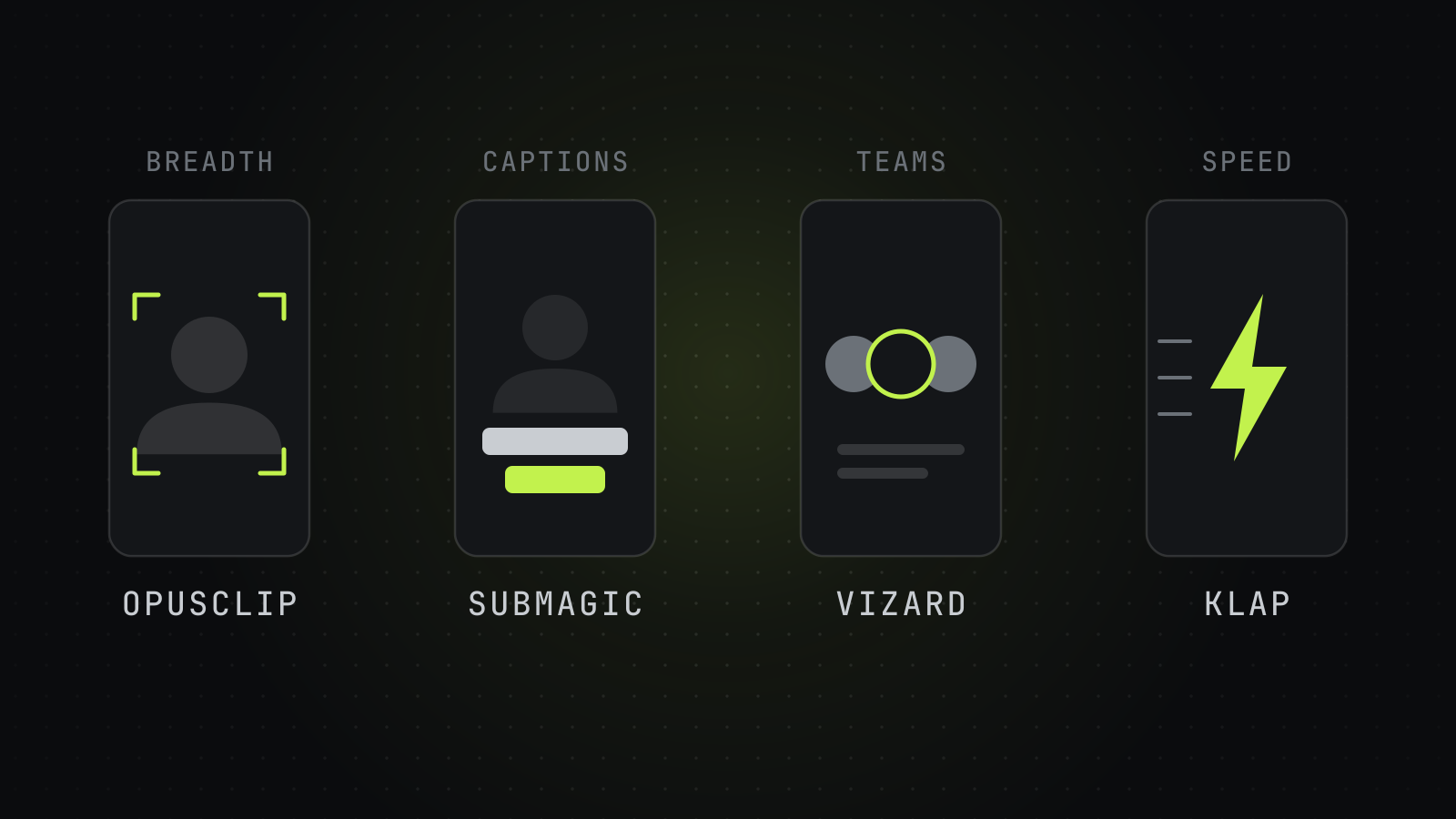
OpusClip vs Submagic vs Vizard vs Klap: Head-to-Head Comparison
OpusClip, Submagic, Vizard and Klap compared on price, limits, API access and how each picks clips, from each vendor's own pages on October 15, 2026.
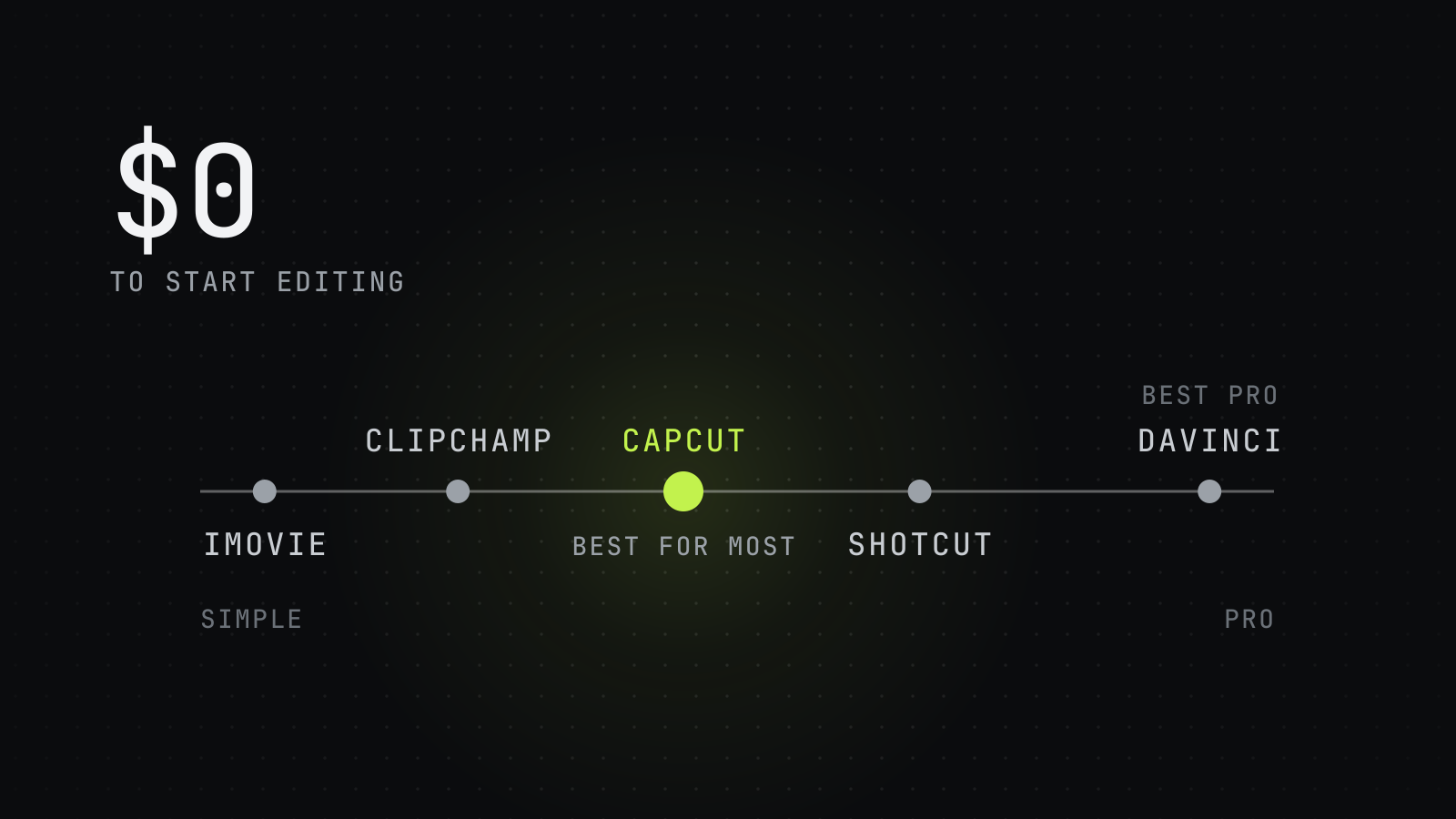
The Best Free Video Editing Software in 2026
Honest comparison of the best free video editing software in 2026 — CapCut, DaVinci Resolve, iMovie, Shotcut, Clipchamp, and the AI-powered free tiers.
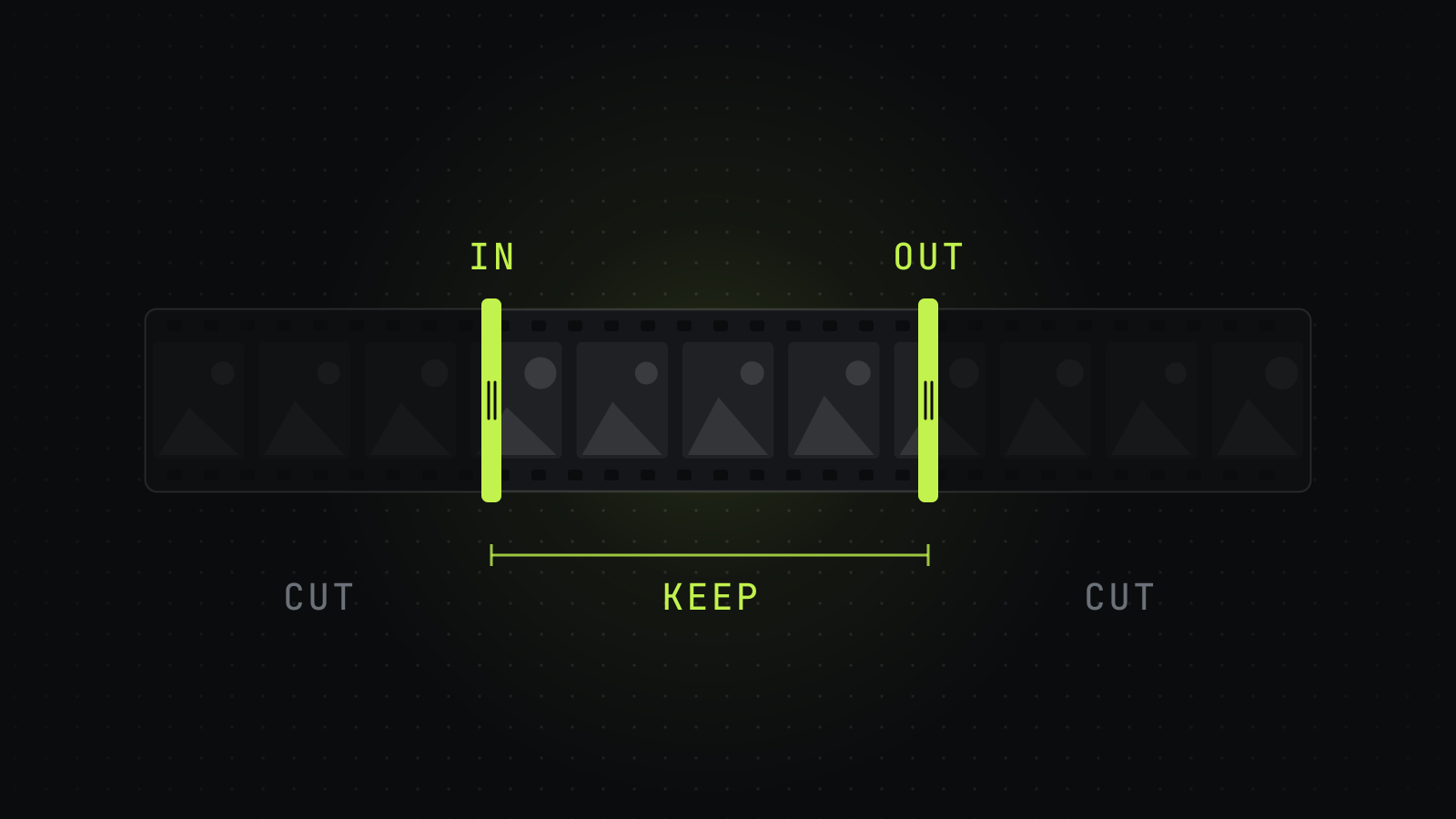
How to Trim Video Online: The Best Video Trimmers in 2026
The best video trimmers and clip makers in 2026, from free browser tools to AI-powered video clipping software that trims automatically.
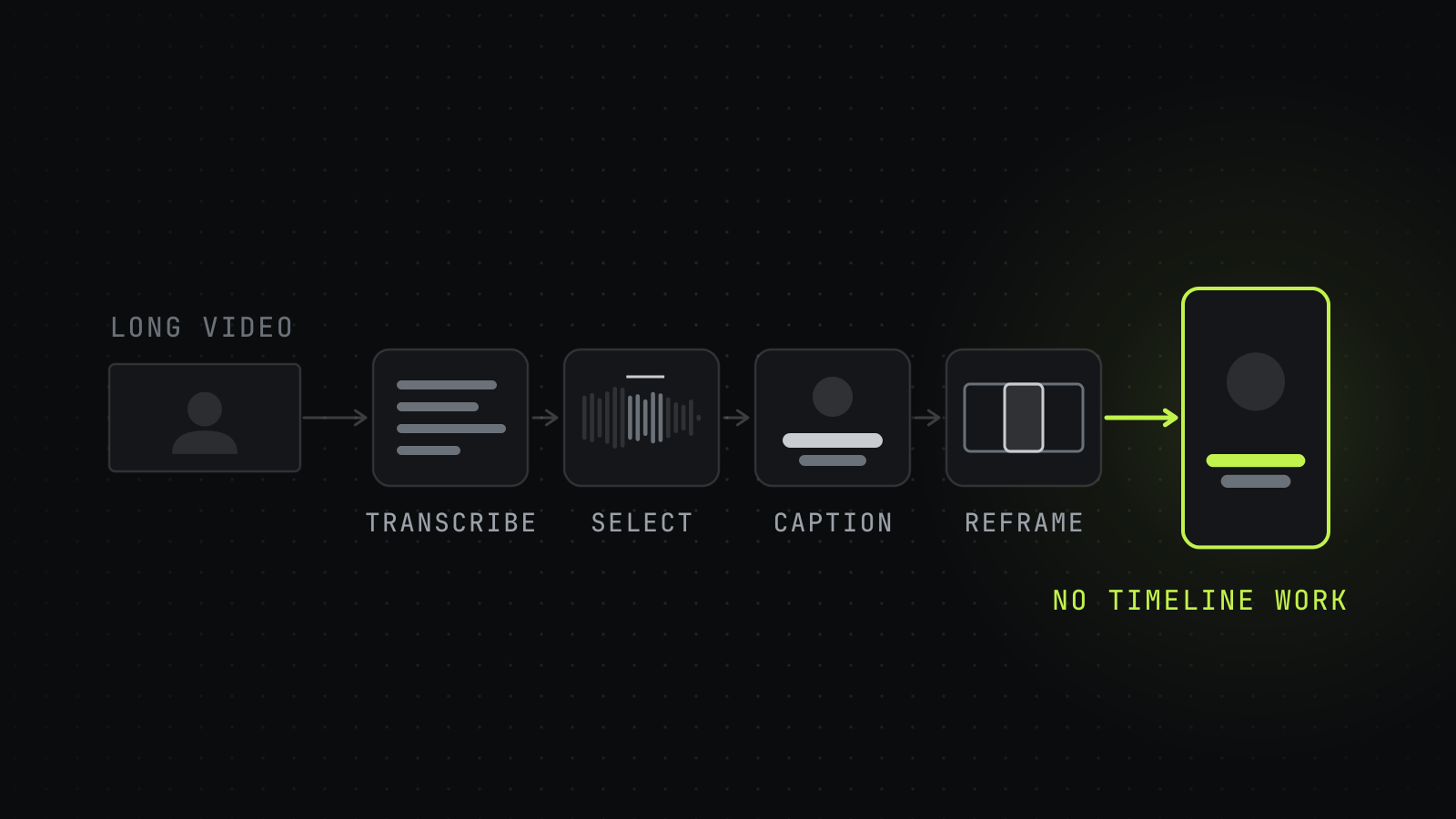
Auto Video Editor: How AI Editors Actually Work in 2026
What an auto video editor does, how AI editing models work in 2026, and which automatic video editors actually produce usable output.
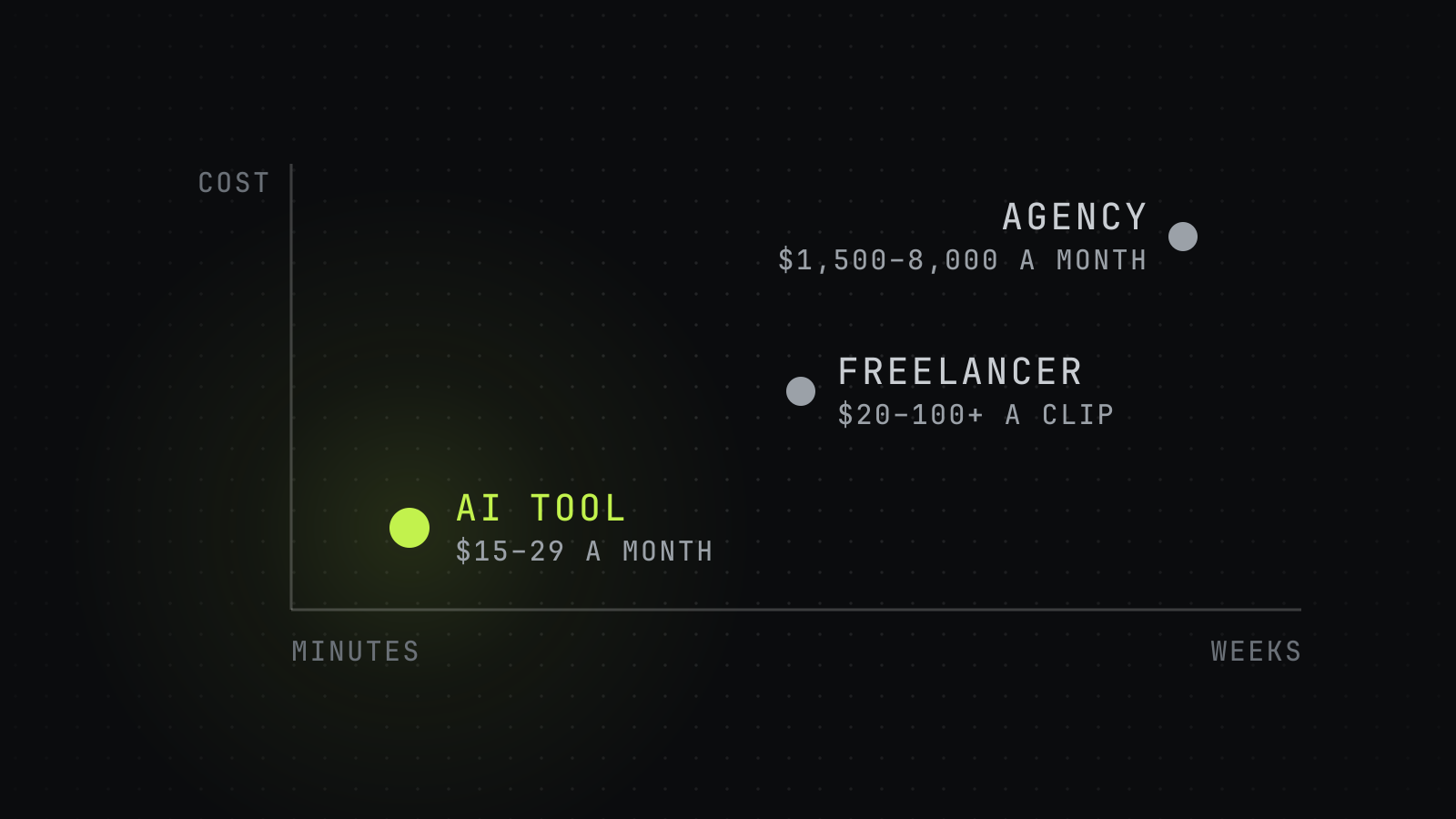
Video Clipping Services in 2026: What They Cost and How to Choose
A practical guide to video clipping services — AI clipping tools, freelance clippers, and done-for-you agencies. What each costs, what you get, and how to pick.
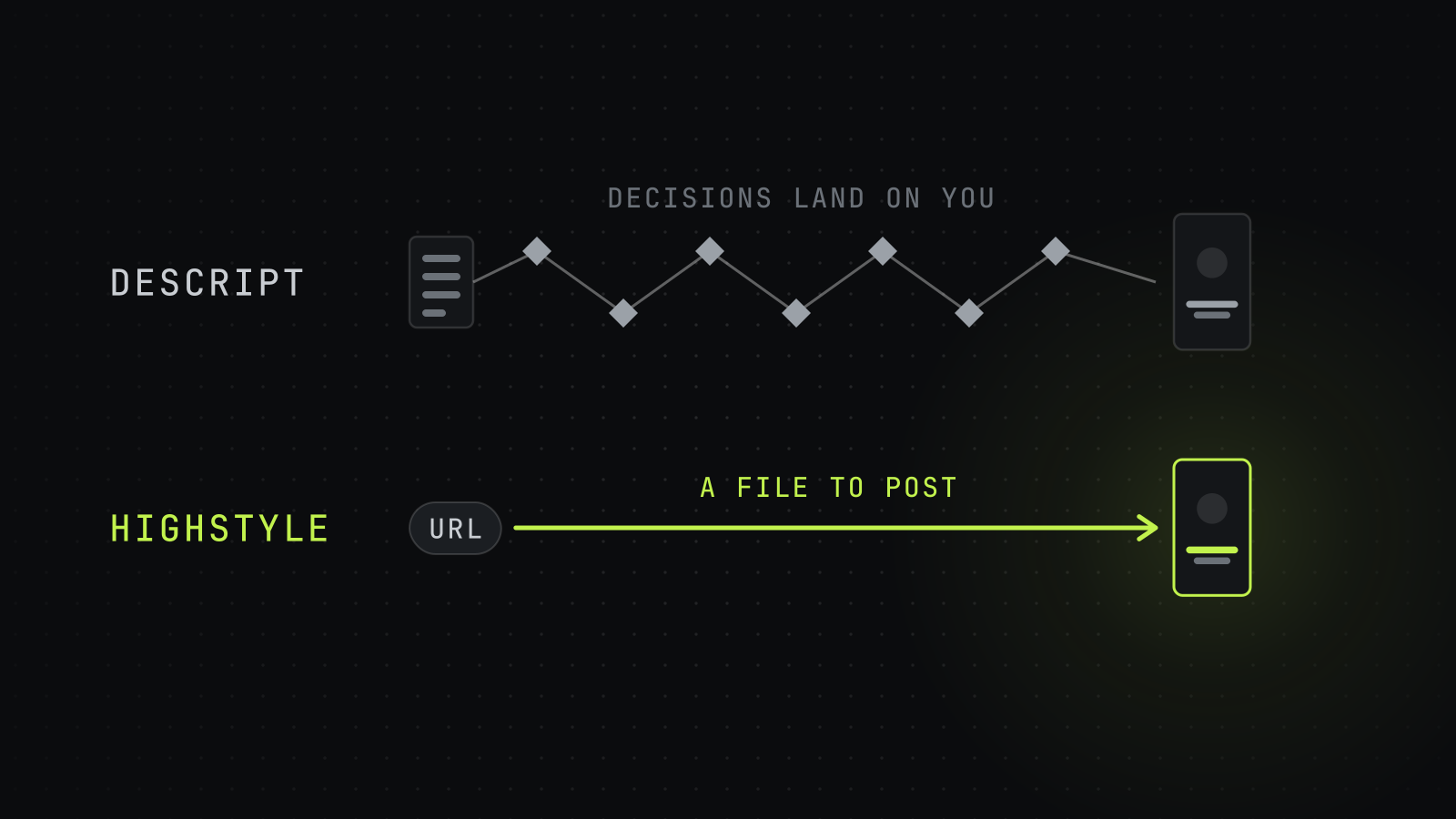
Highstyle vs Descript (2026): Which Is Better for Clips?
Descript is a full editor whose Underlord AI also cuts clips. Highstyle turns a long video into ranked clips. Prices and limits checked October 15, 2026.
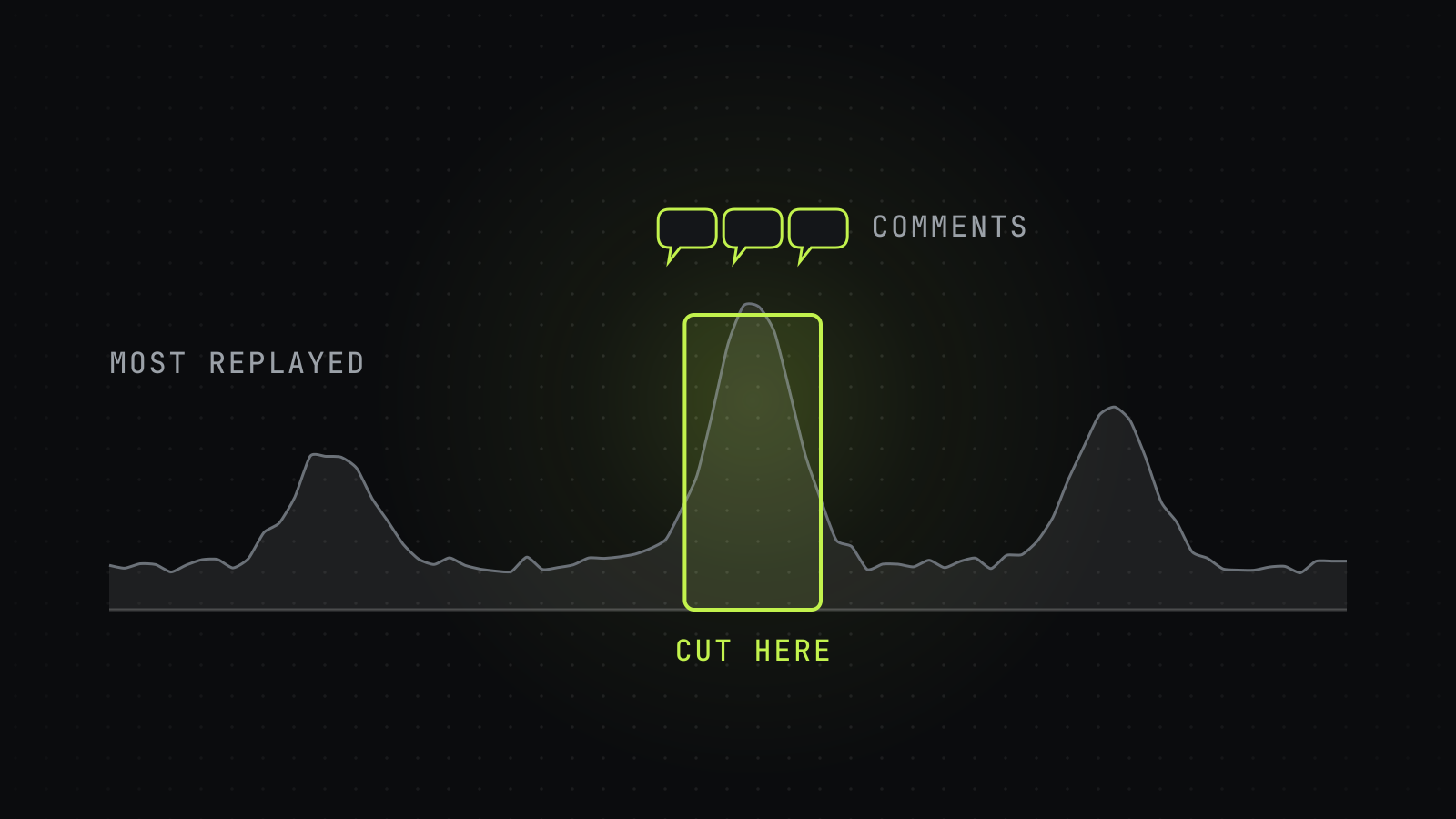
Highstyle vs OpusClip (2026): Which Picks Better Moments?
OpusClip clips almost any footage and starts at $15 a month. Highstyle reads YouTube's replay graph and comments to pick moments. Checked October 15, 2026.
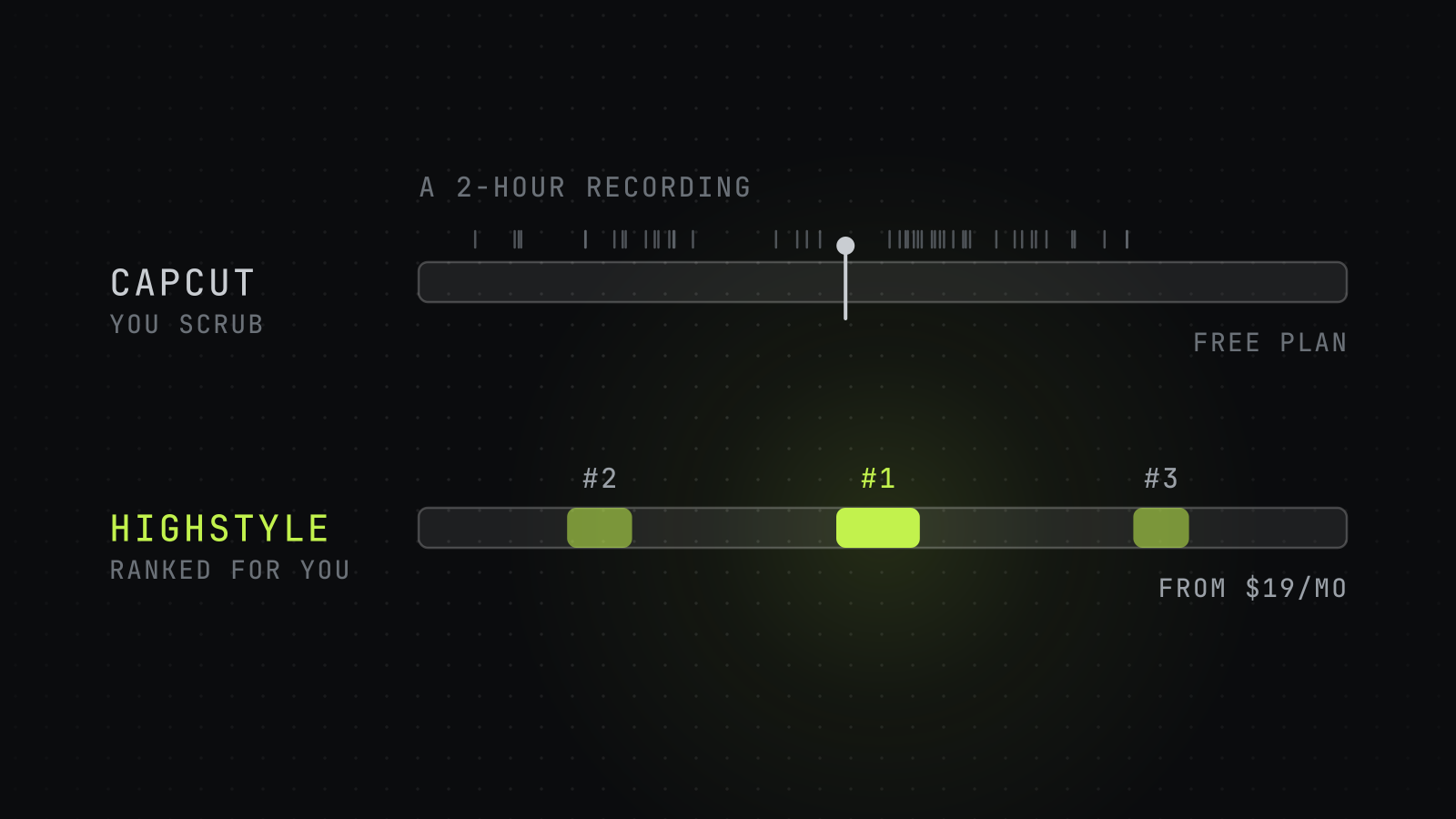
Highstyle vs CapCut (2026): Is Paid Clipping Worth It?
CapCut is a free editor with an AI clip maker, and Highstyle is a paid clipper that reads YouTube's replay graph and comments. Checked October 15, 2026.
Platforms
How each platform's algorithm ranks short-form video in 2026.
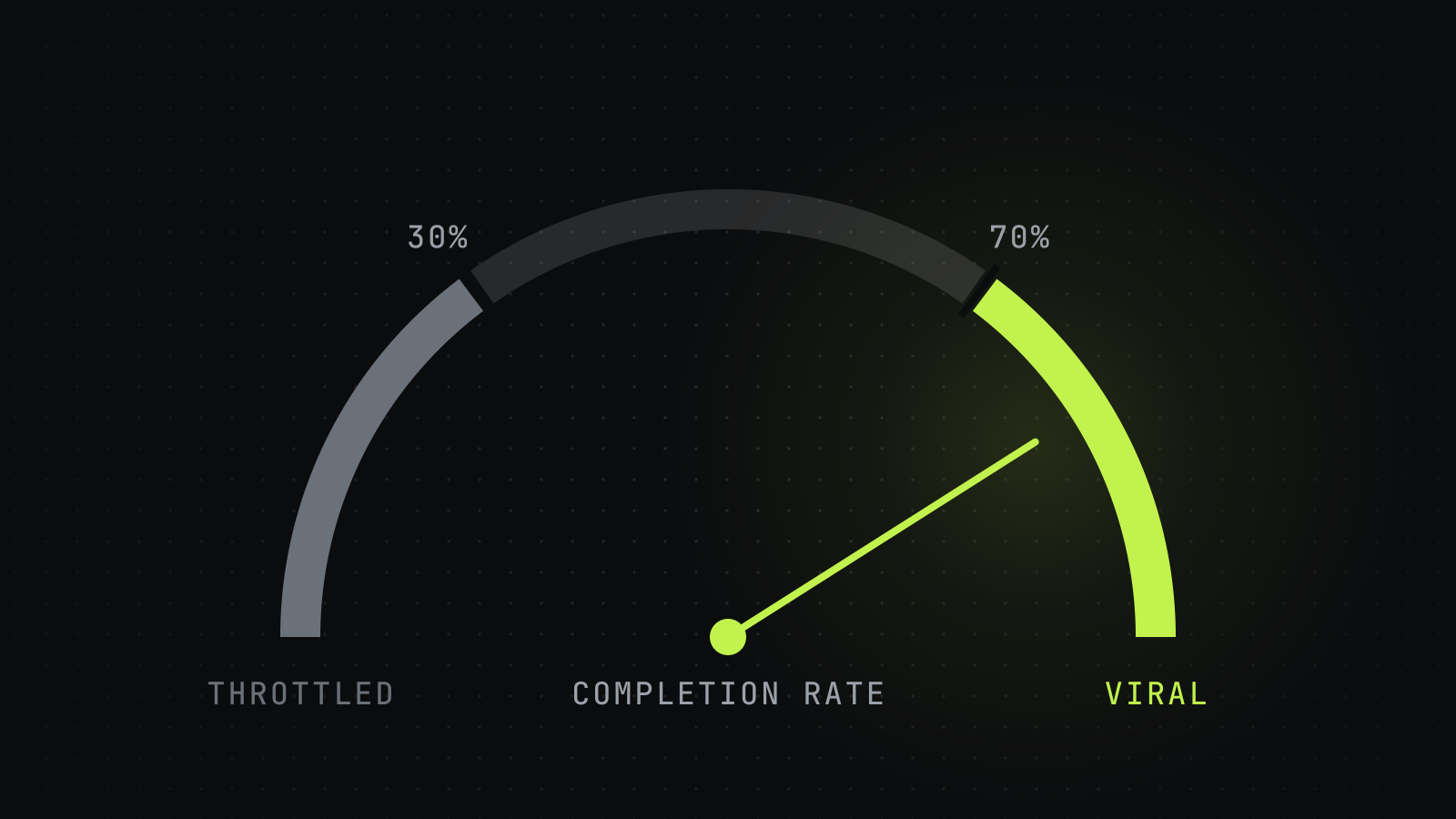
The TikTok Algorithm in 2026: A Complete Guide (Post-Oracle Deal)
How the TikTok algorithm actually ranks content in 2026, what changed with the Oracle deal, and the signals that drive viral distribution.
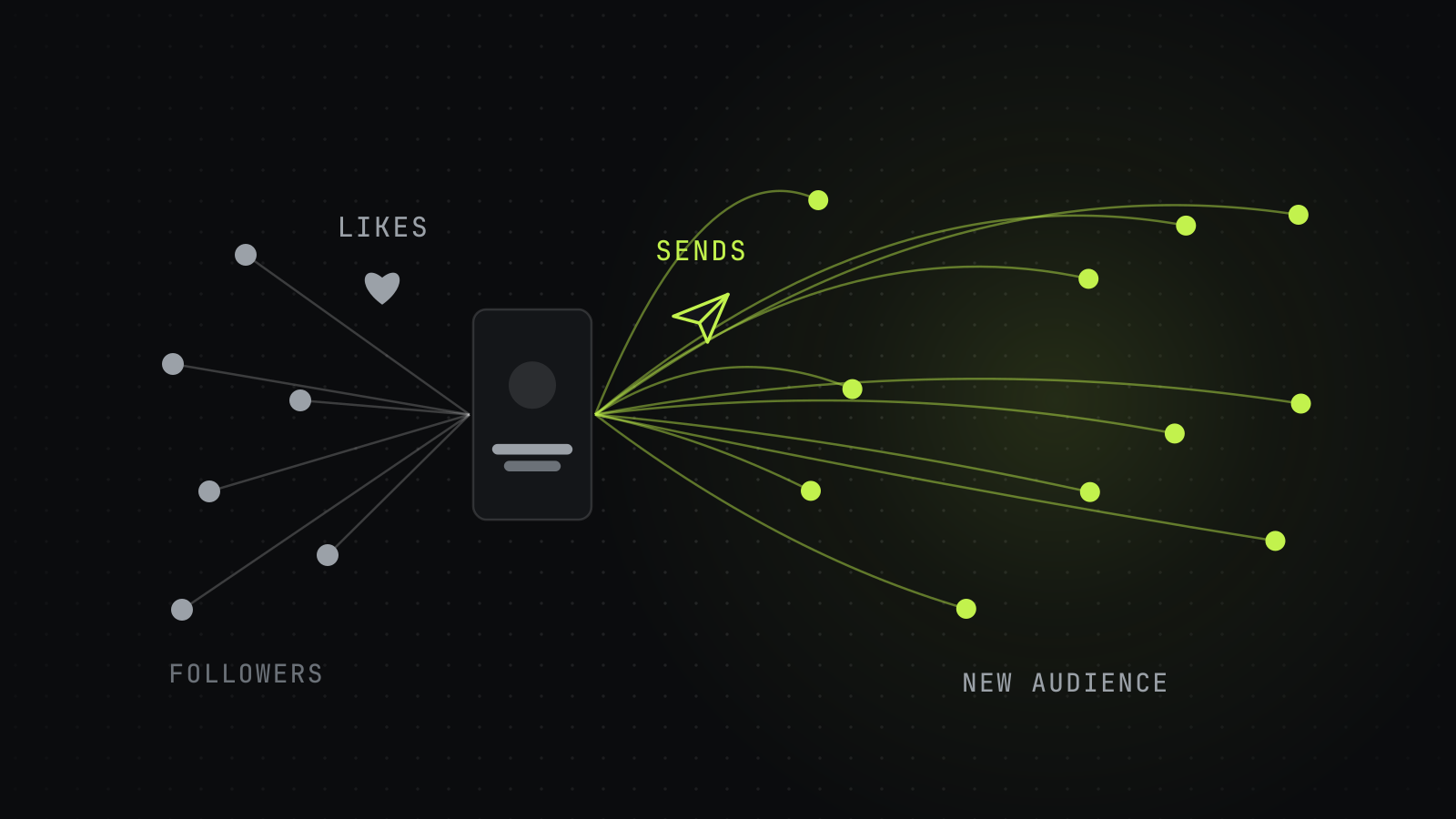
Instagram Reels Algorithm 2026: What Mosseri Confirmed
How the Instagram Reels algorithm ranks content in 2026, what Adam Mosseri confirmed, and the rules that get accounts excluded from recommendations.
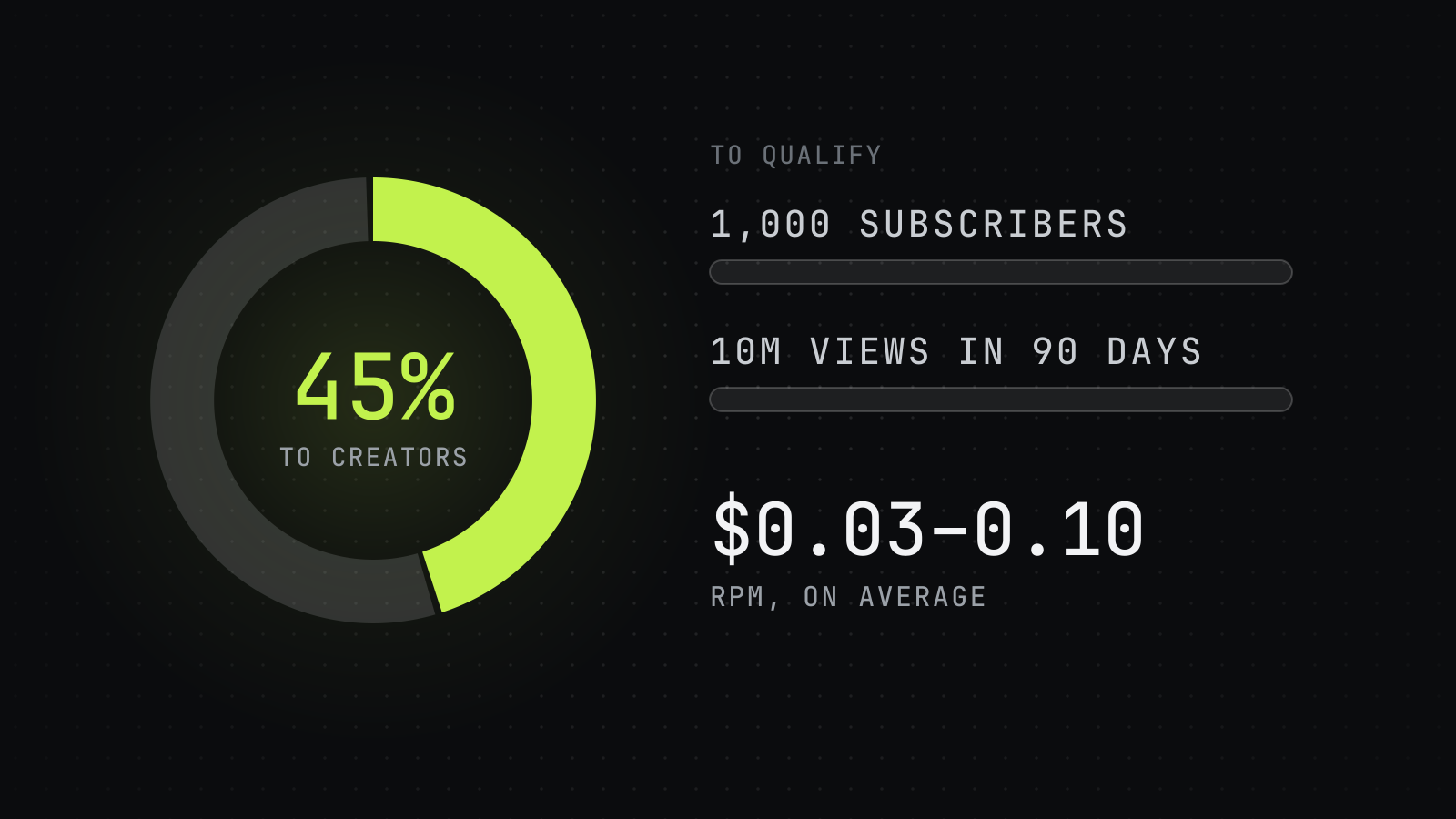
YouTube Shorts Monetization in 2026: Requirements, RPM, and Top Niches
How YouTube Shorts pays creators in 2026: eligibility requirements, average RPM, top-earning niches, and the music revenue split rules.
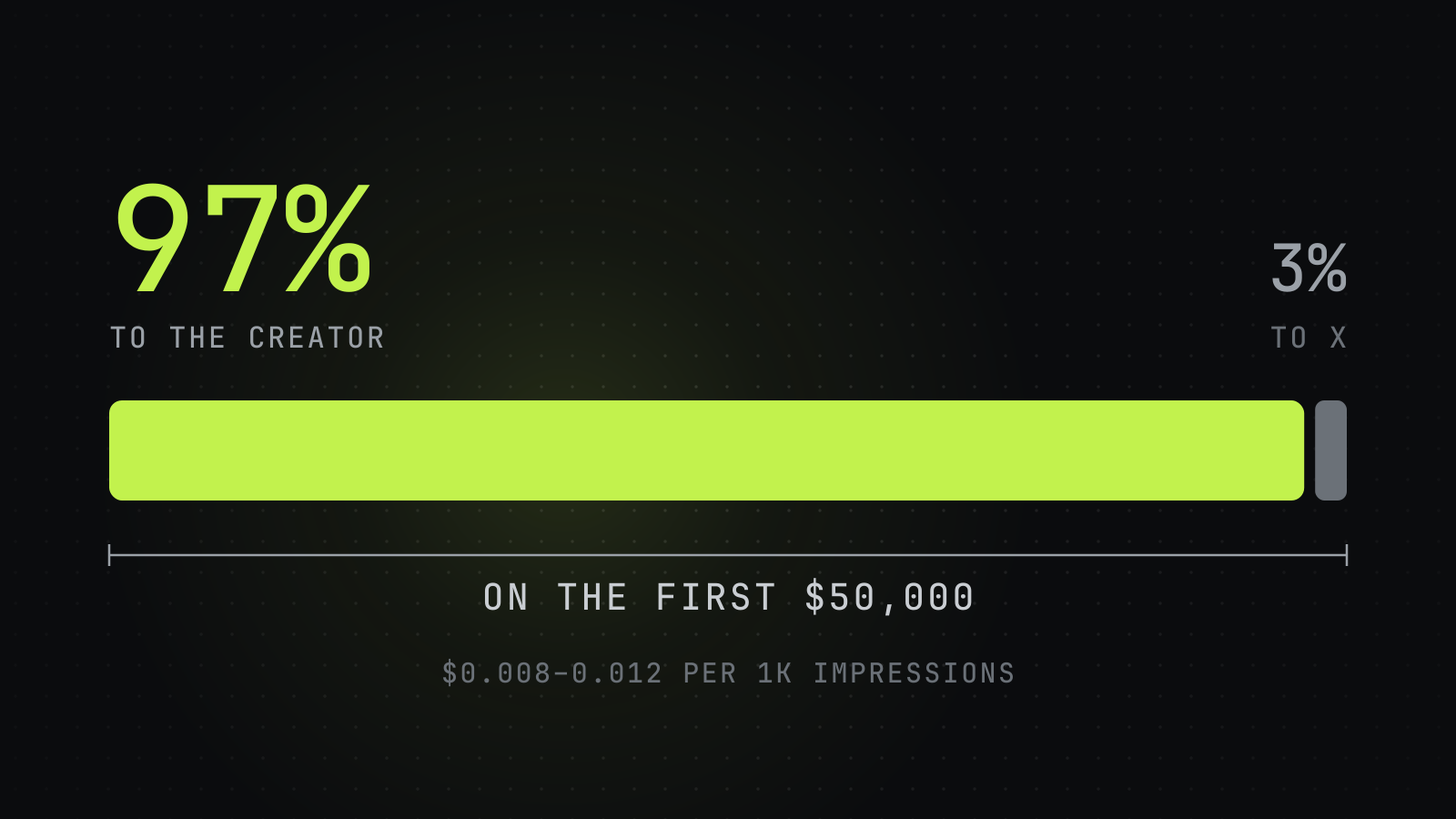
How Much Does X (Twitter) Pay Creators in 2026?
X Creator Ads Revenue Sharing in 2026: eligibility, RPM, the 97/3 split, and how MrBeast made $263,655 on one viral video.
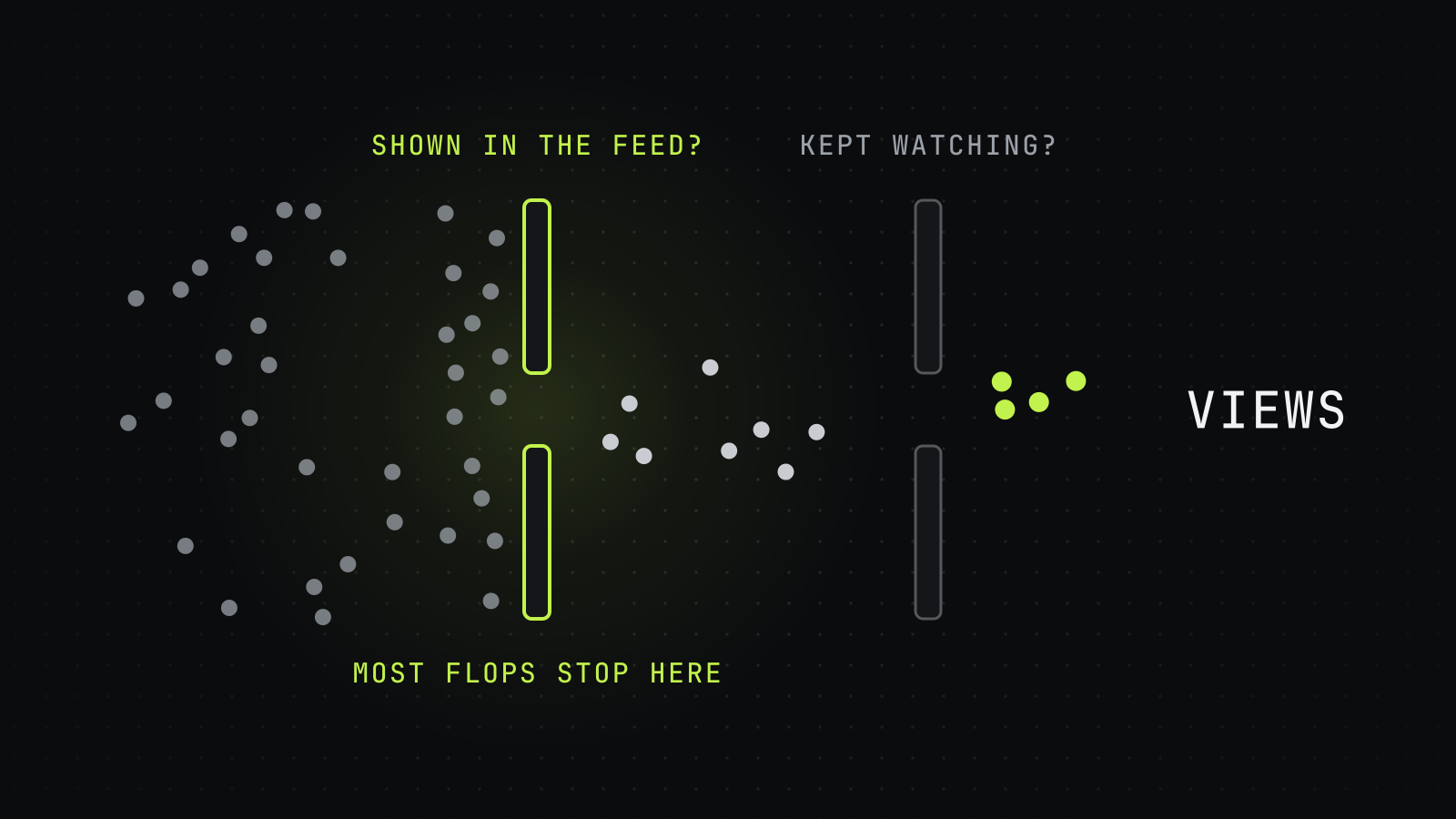
Why Your YouTube Shorts Get No Views (It's Usually Not Your Content)
We joined lifetime views with retention data for 84 published Shorts. The flops had 59% retention — they were never distributed. How the Shorts gate works and how to beat it.
Business
The clipper economy, payouts, marketplaces, and CPM rates.
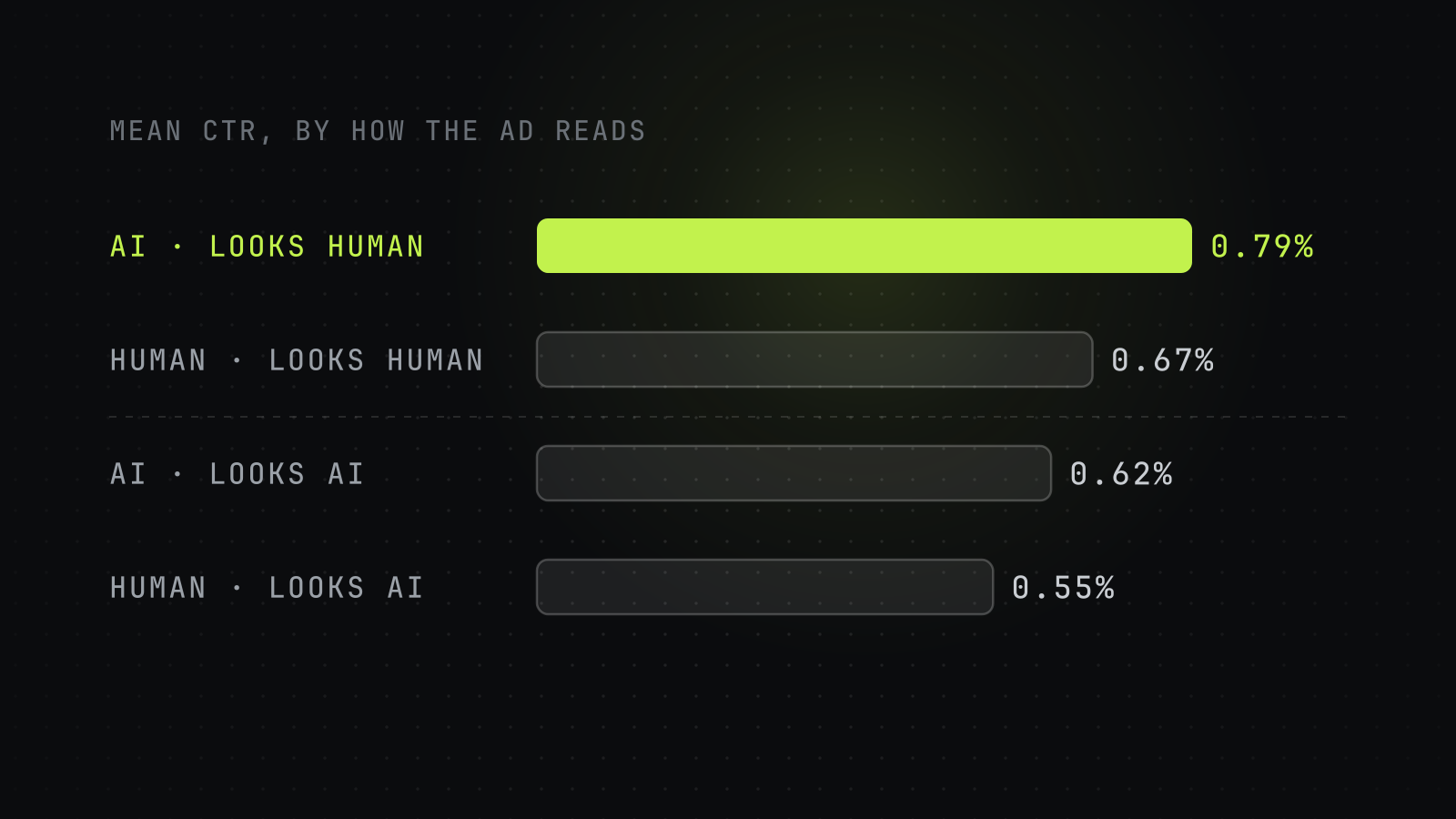
AI Ads That Don't Look AI-Generated: The Evidence and the Recipe
AI ads that don't look AI-generated hit parity with human ads in a 369M-impression field test, and only the AI look costs clicks. Evidence, recipe, costs.

How to Make Money With AI Video in 2026: The Four Routes That Pay
How to make money with AI video in 2026: four routes that pay, two with no audience needed. What each pays, how fast the first payment lands, and how to pick.
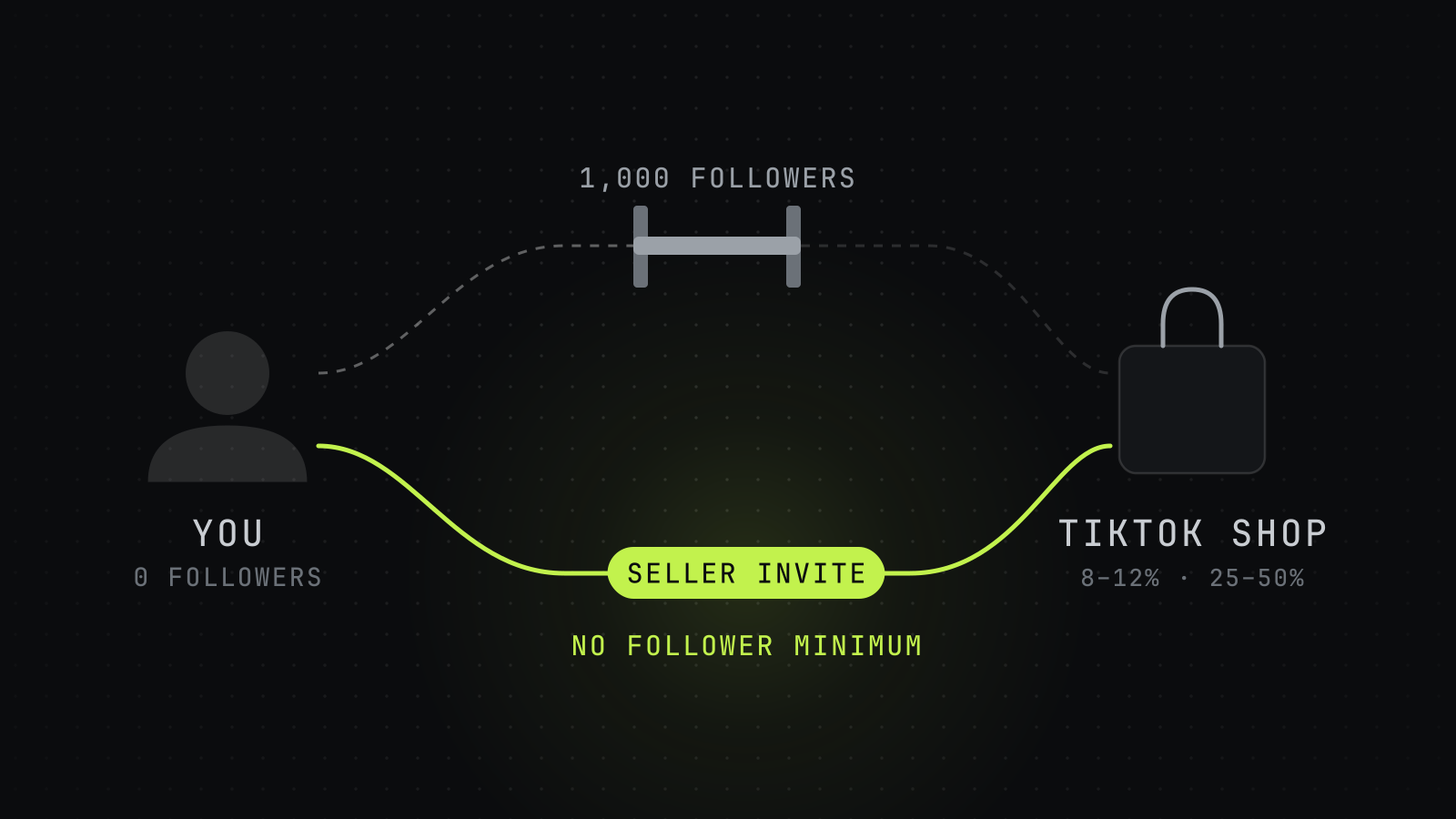
How to Become a TikTok Shop Affiliate and Get Paid With AI Video (2026)
How to become a TikTok Shop affiliate with no followers, what each category pays, and the AI video rules TikTok publishes in writing. Get in and get paid.
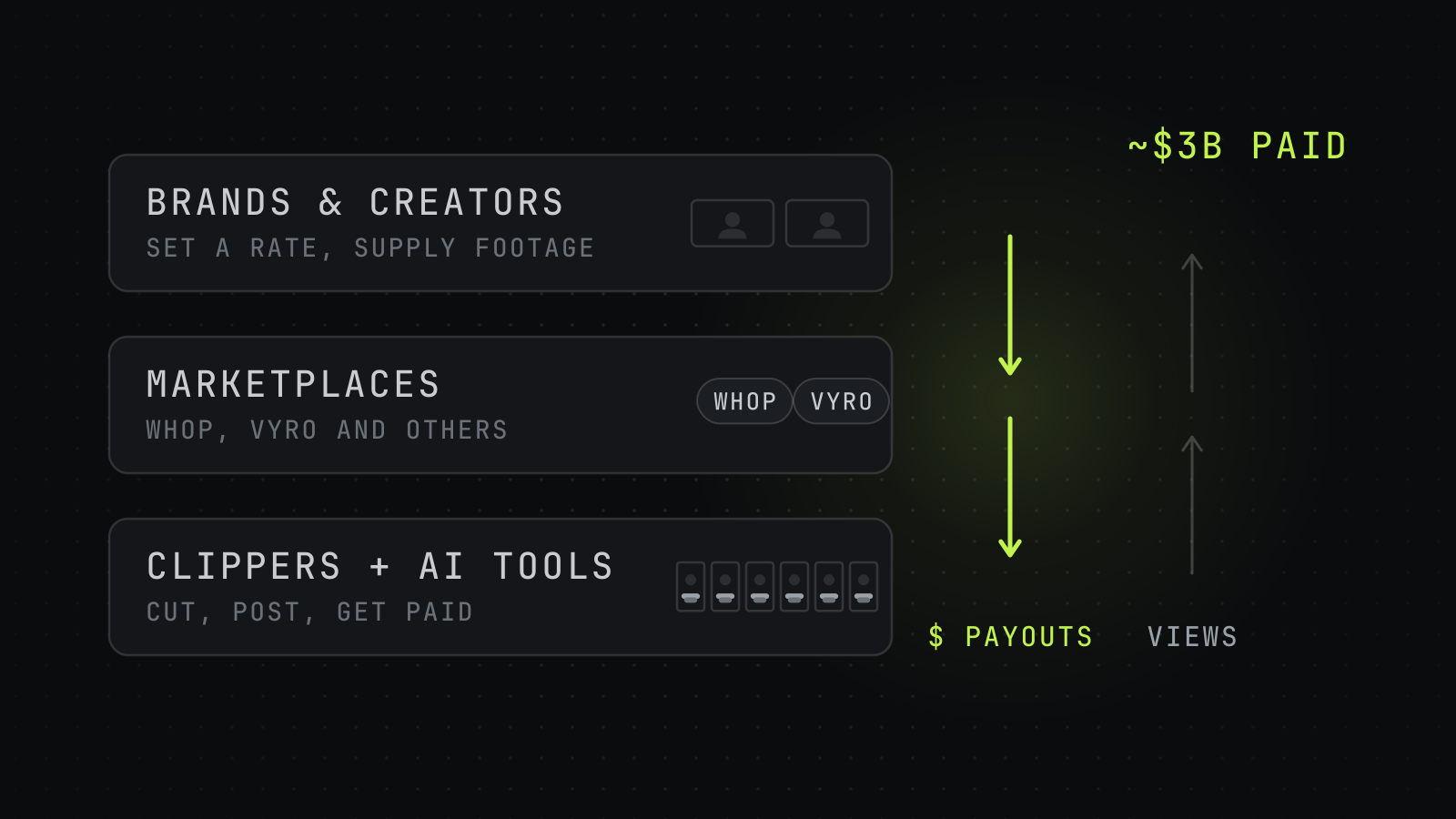
The Clipper Economy: How $1.6B in Creator Payouts Got Built
Inside the clipper economy: marketplaces, agencies, CPMs, and the business model that turned video clipping into a multi-billion-dollar category.
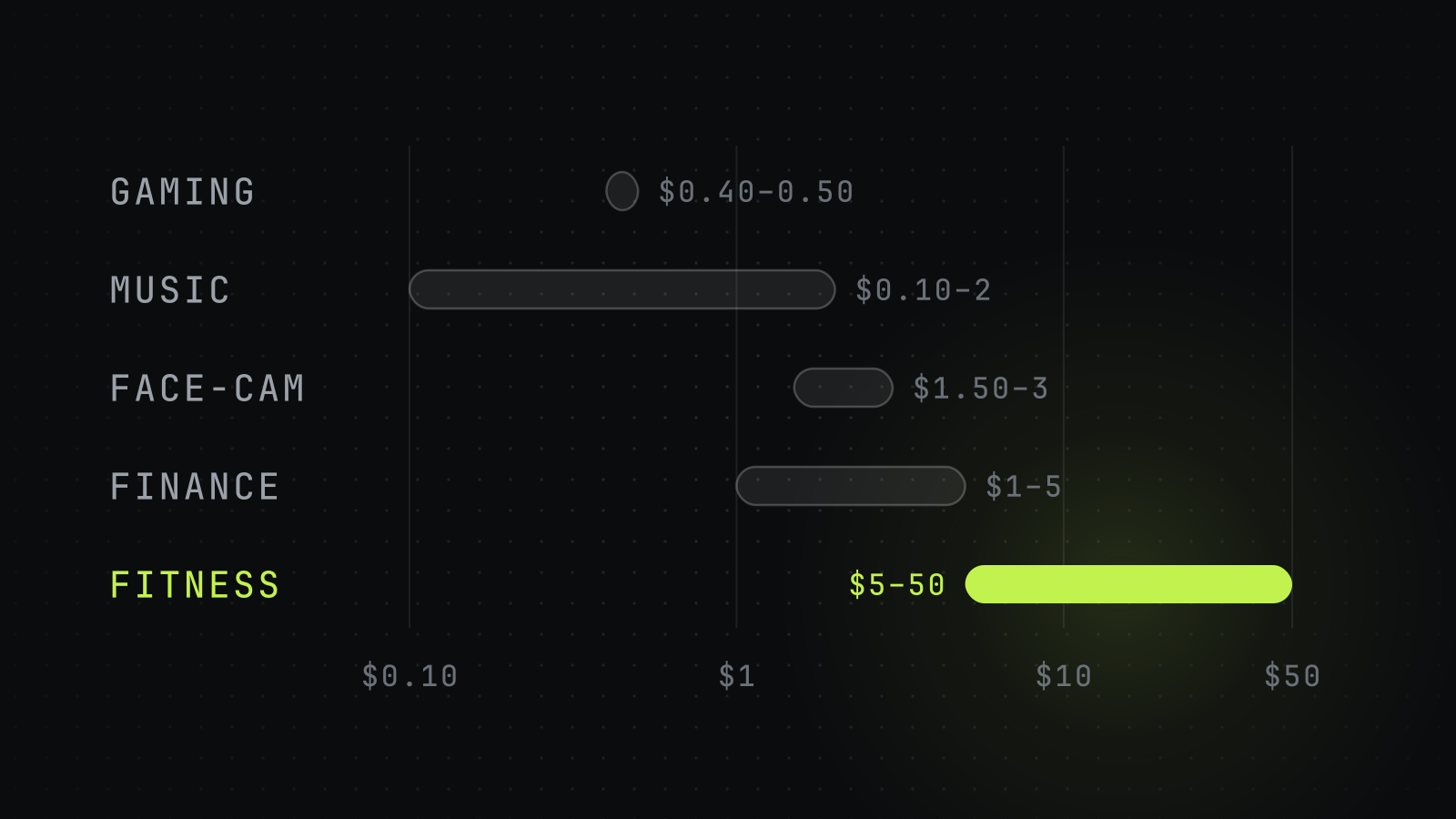
CPM Rates for Clippers by Niche: Music, Gaming, Finance, Fitness
Actual CPM rates paid to clippers by niche in 2026: music ($0.10-$2), gaming ($0.40-$0.50), finance ($1-$5), fitness/coaching premium ($5-$50).
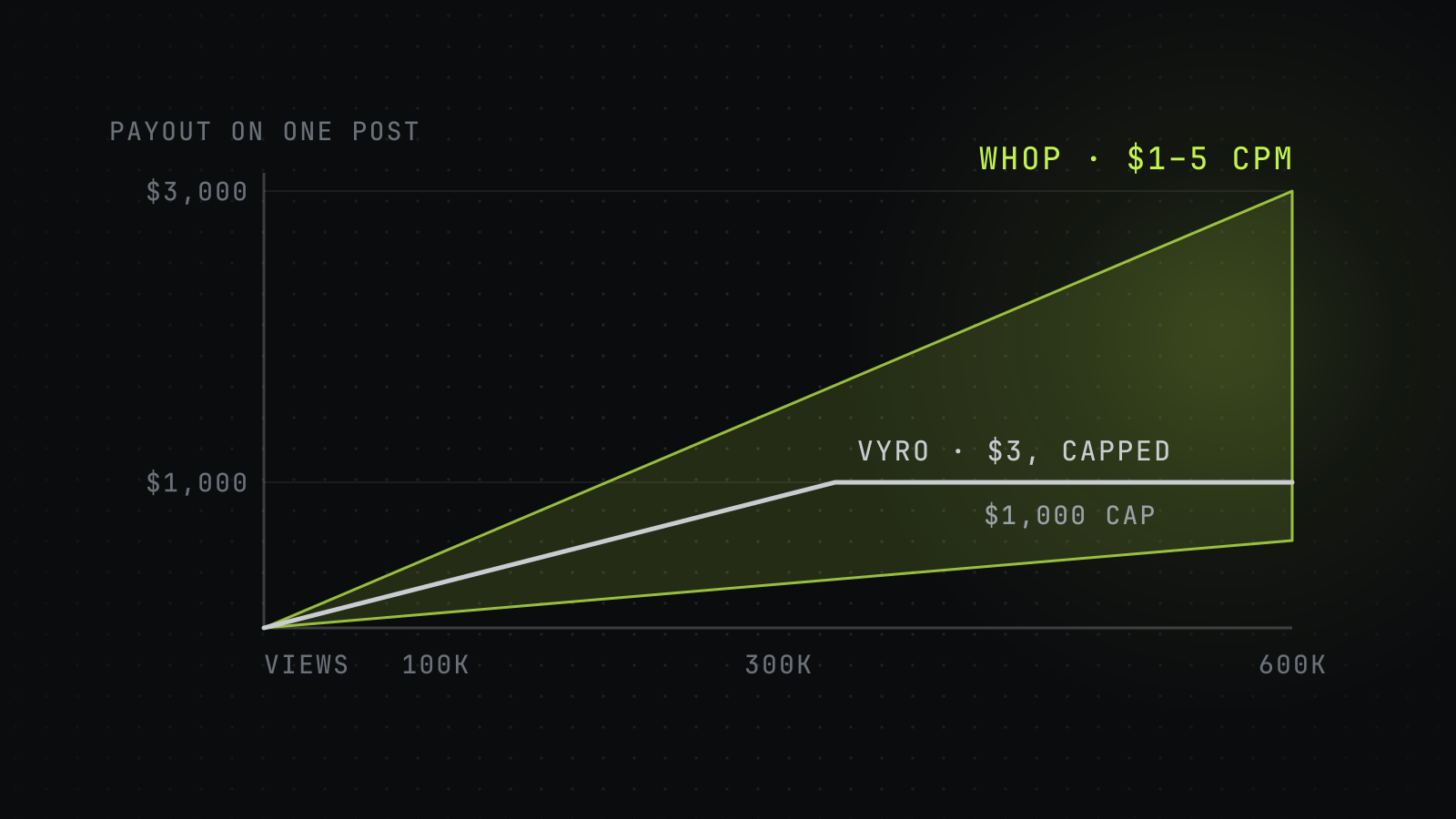
Whop vs Vyro: Which Clipping Marketplace Pays Better in 2026?
A direct comparison of Whop Content Rewards and Vyro (MrBeast's platform): CPMs, eligibility, campaign coverage, and payout mechanics.
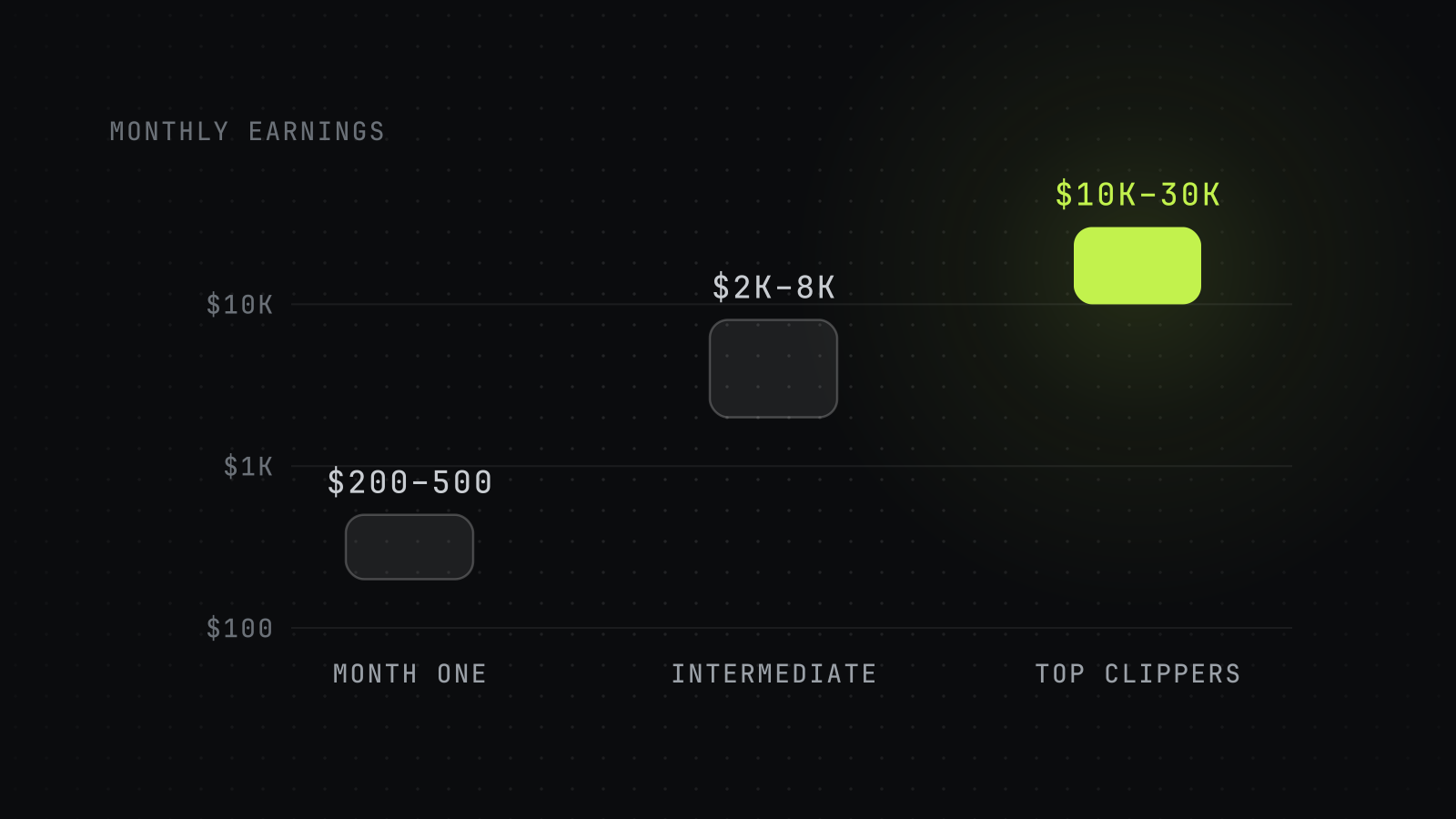
Content Rewards: The Easiest Way to Start Making Money as a Clipper in 2026
Content rewards pay clippers a fixed rate per 1,000 views — no audience or upfront cost. How the model works, what you can really earn, and how to start.
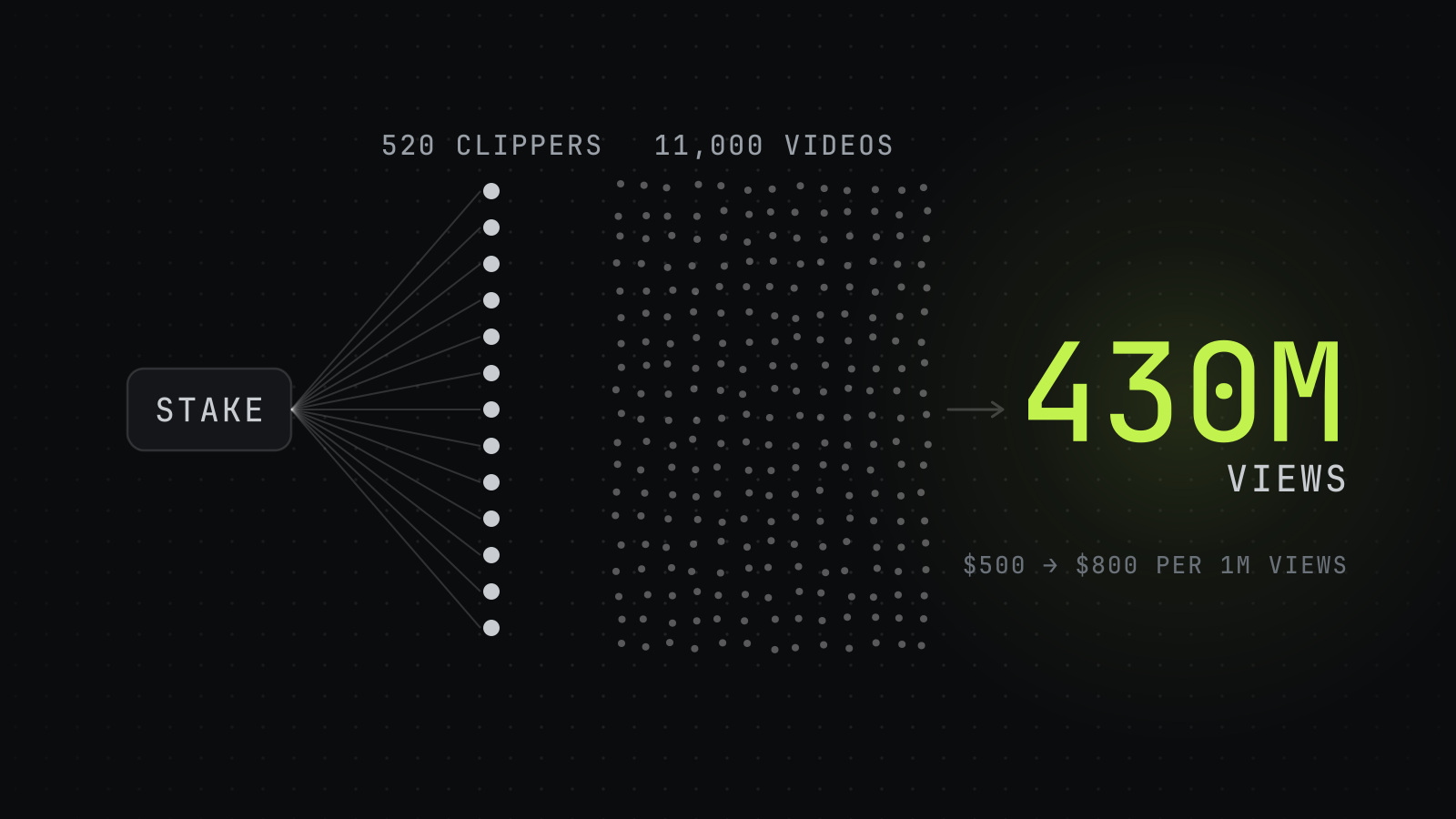
Stake Built a $4.7 Billion Business on Clips
One Stake campaign produced 430 million views from 11,000 videos posted by 520 clippers. The full anatomy of a paid clipping campaign, rates and risks included.
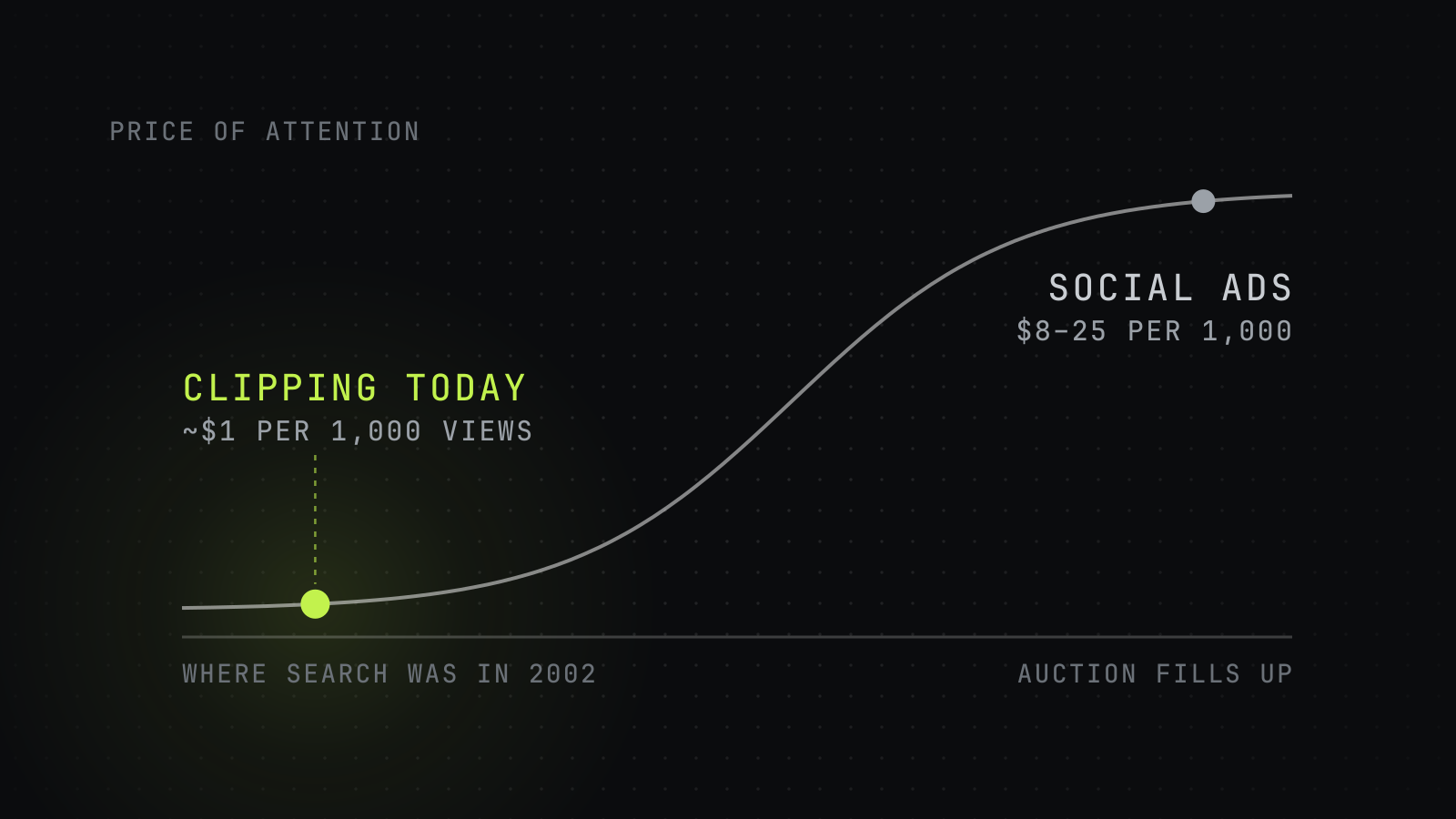
Clipping Is Where Paid Search Was in 2002
Traditional social ads run $8 to $25 per thousand views. Clipping delivers comparable reach for around $1. The sourced math on how long that gap survives.
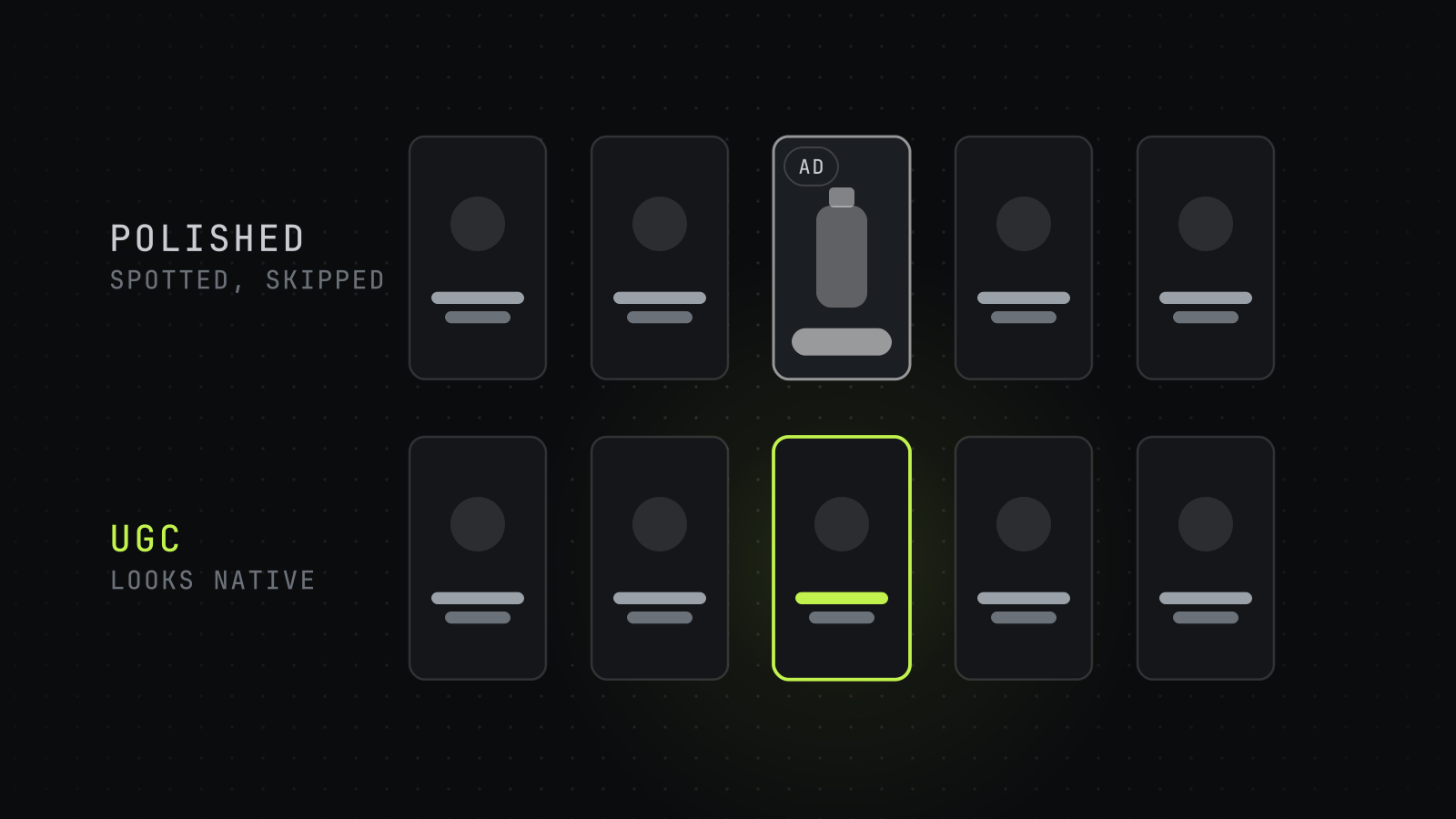
Why UGC Ads Beat Polished Video Ads
Phone-shot creator ads outperform studio video on nearly every paid metric. Here's what the numbers actually say, who published them, and where the advantage stops.
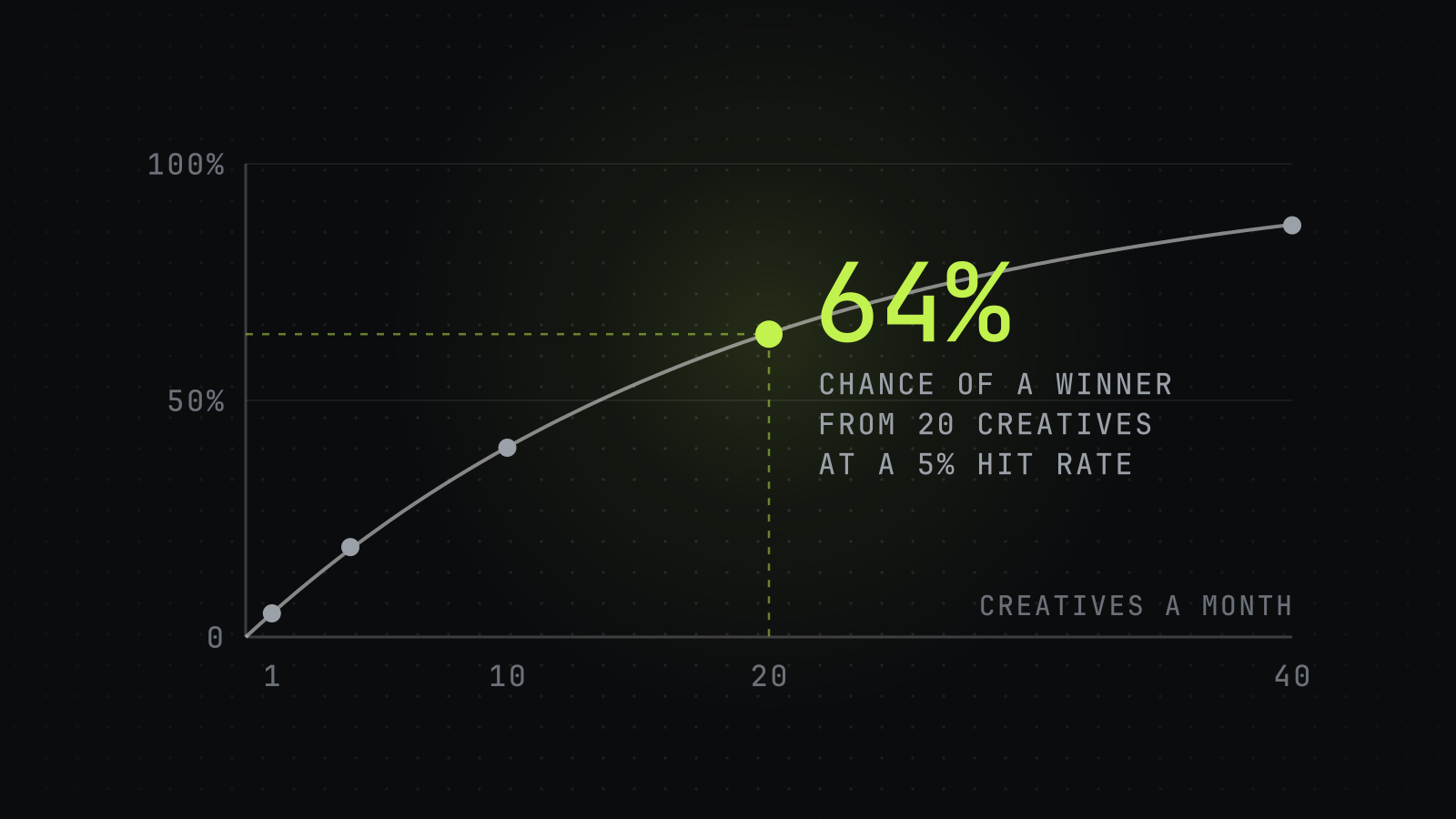
How Many Ad Creatives Should You Actually Test?
Only 4-8% of Meta ads become winners, and the median advertiser ships 6-7 a week. Run the arithmetic on what that means for a brand shipping one video a month.
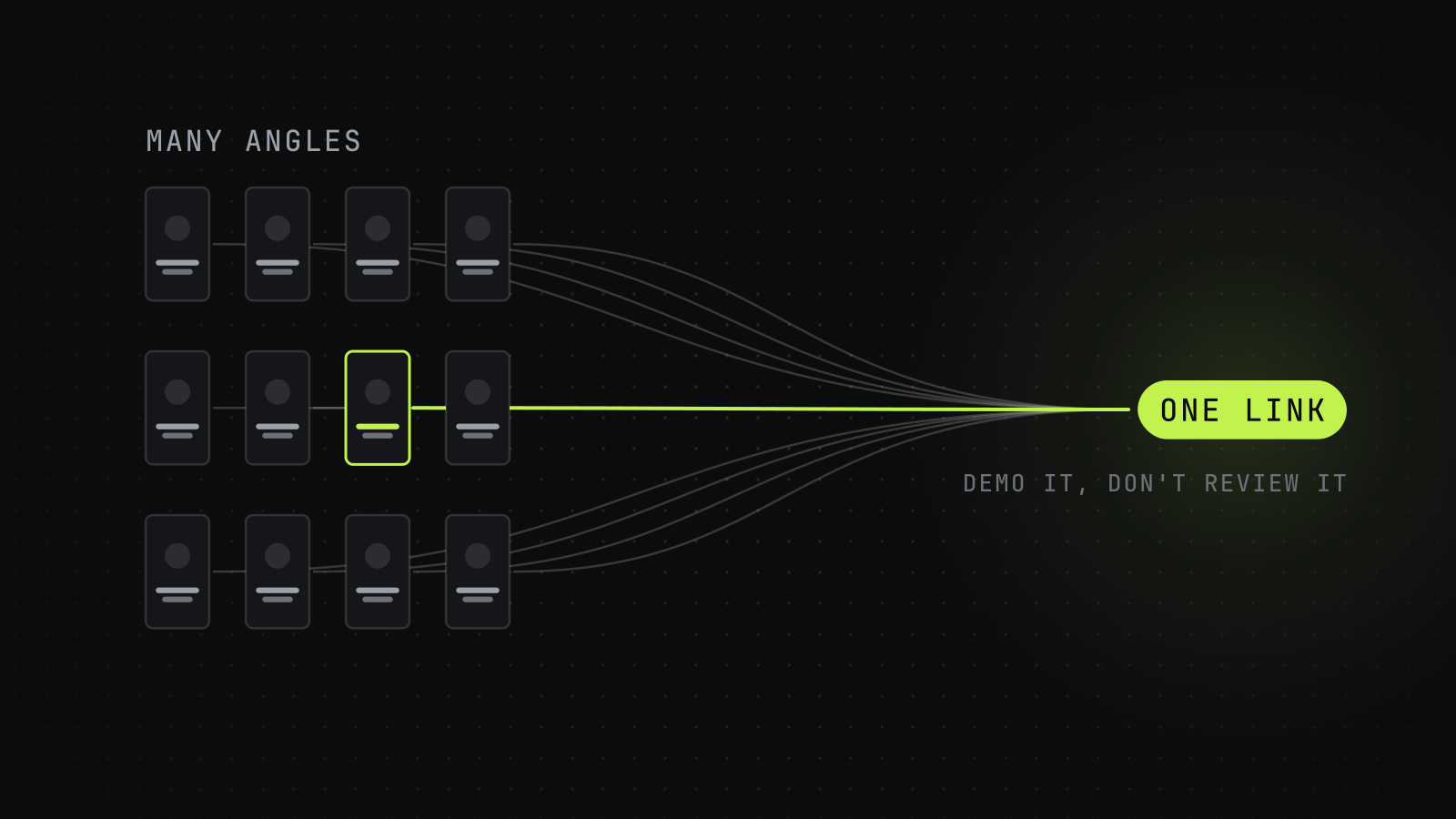
UGC Ads for Affiliates: Volume Without a Warehouse
Affiliates promote products they never touch, which used to make creator-style video impossible. Generated UGC removes that constraint and adds one legal line you can't cross.
Content Is a Business Function, Not a Marketing Channel
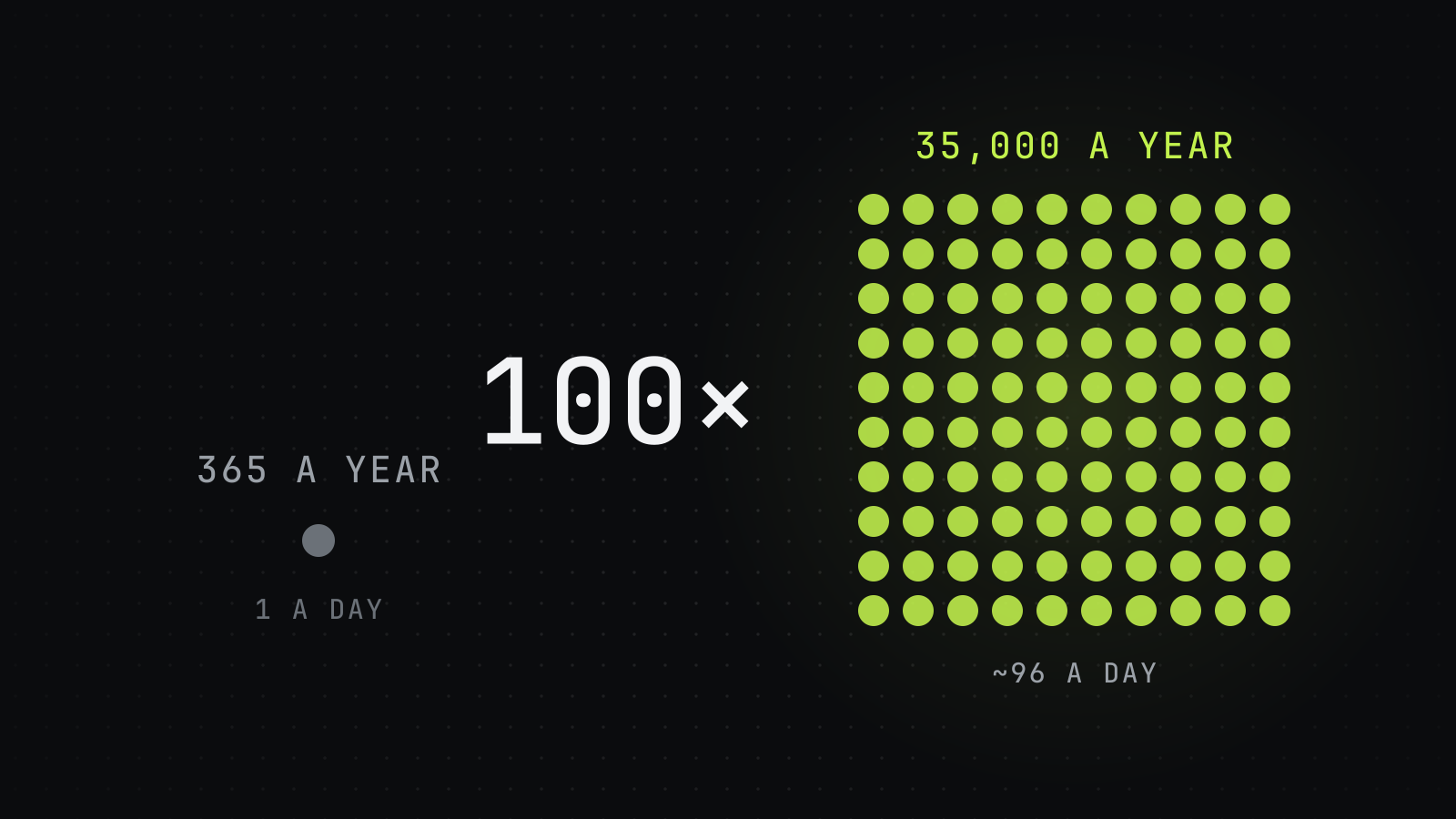
A typical seven-figure business publishes 365 pieces of content a year. Alex Hormozi's portfolio publishes 35,000. The gap is staffing, not talent, and it changes how content should be run.
Why Your Content Gets Views but No Customers
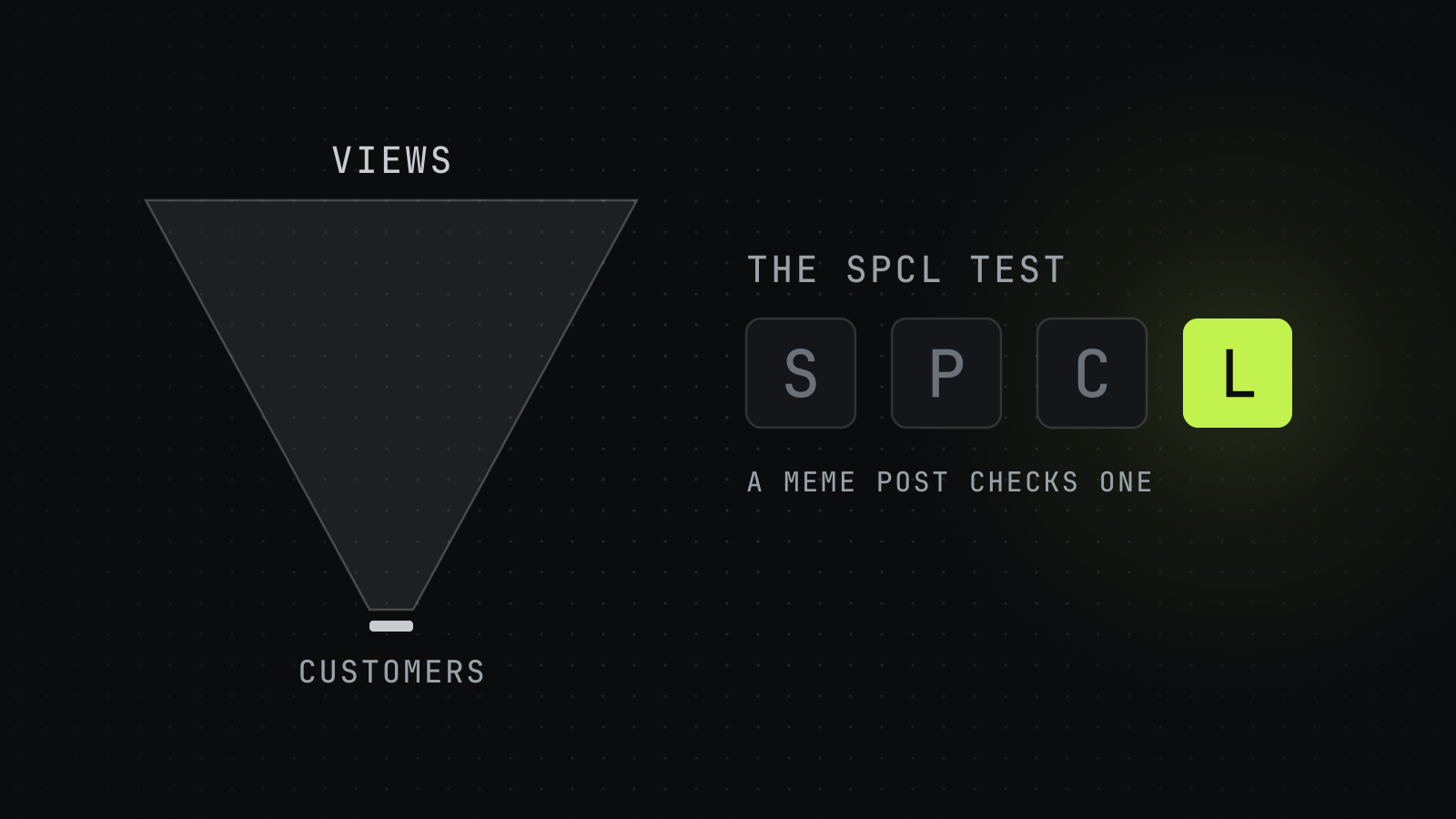
A video can perform well on views and still produce nothing for the business behind it. Alex Hormozi's four-part test explains why, and gives you a way to check your own content against it.
What Percentage of Short-Form Clips Actually Go Viral?
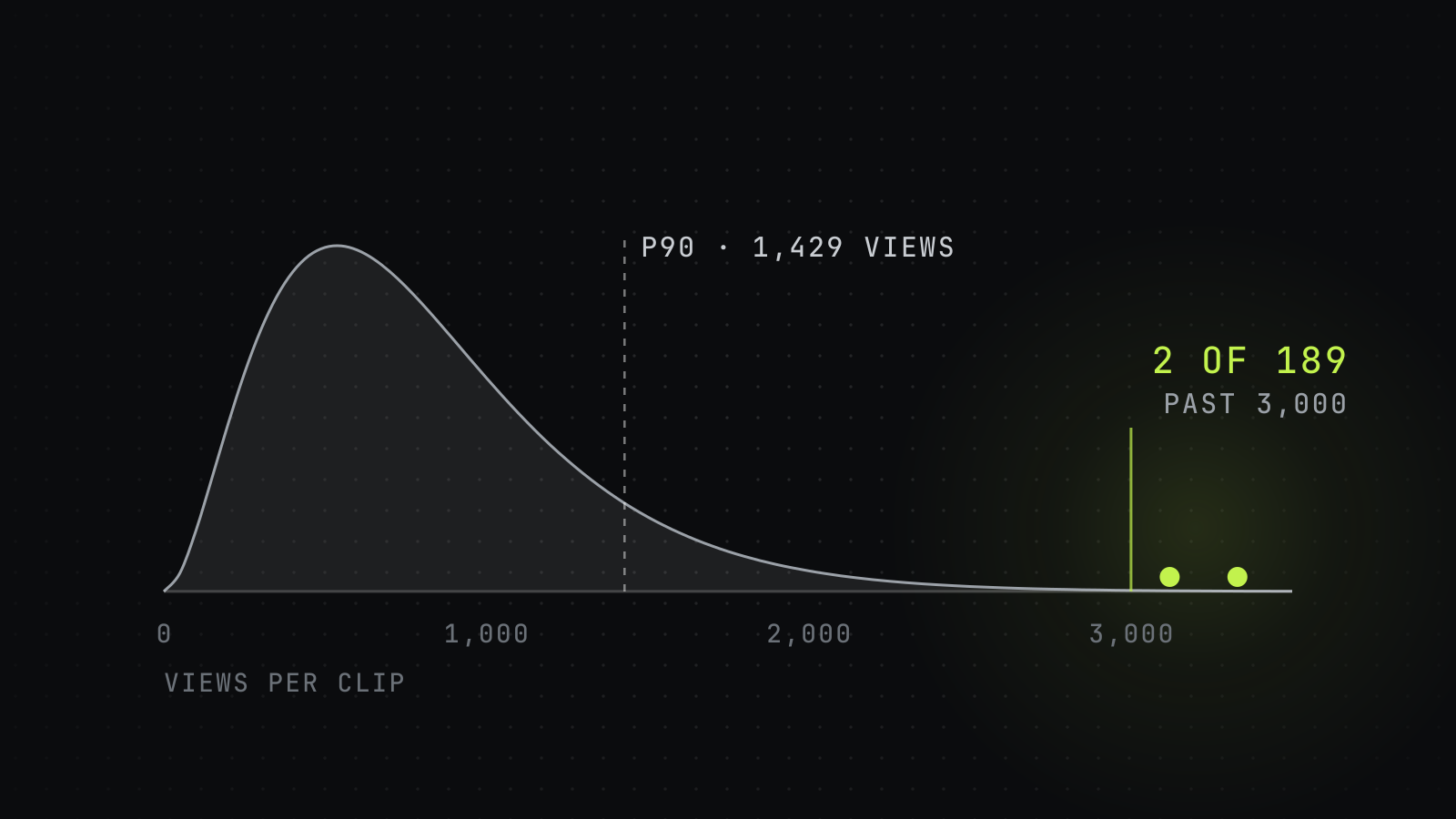
Alex Hormozi says roughly one in ten shorts becomes a 2-3x outlier. We checked that against 189 clips and 172,192 views from our own network. The real shape of the distribution is different, and more useful.
How To
Practical guides for clippers, creators, and brand teams.
How to Turn a Podcast Episode Into Clips for Shorts, Reels and TikTok
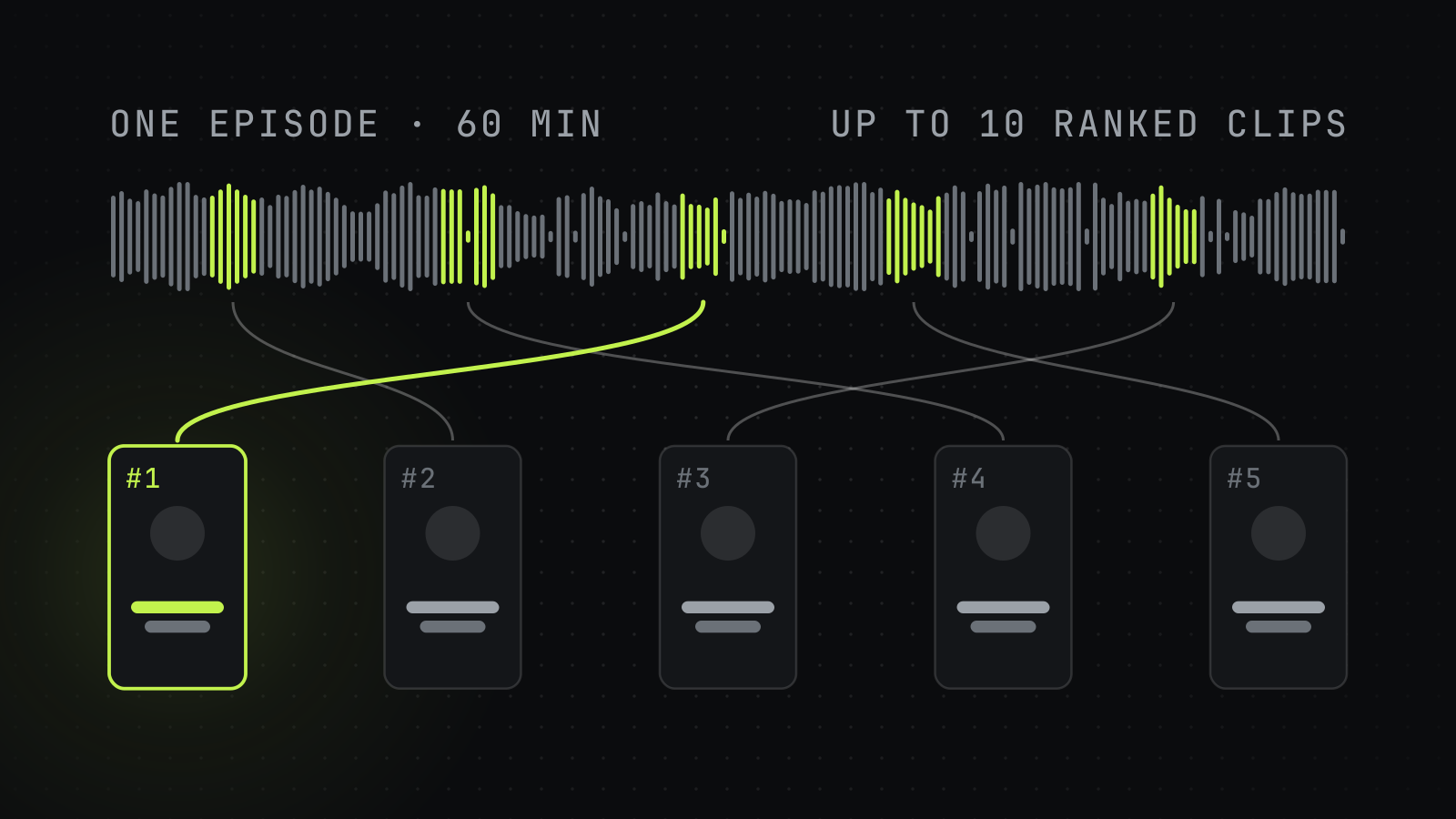
How a podcaster turns one episode into up to 10 ranked, captioned vertical clips for Shorts, Reels and TikTok: the steps, what comes back and which plan fits.
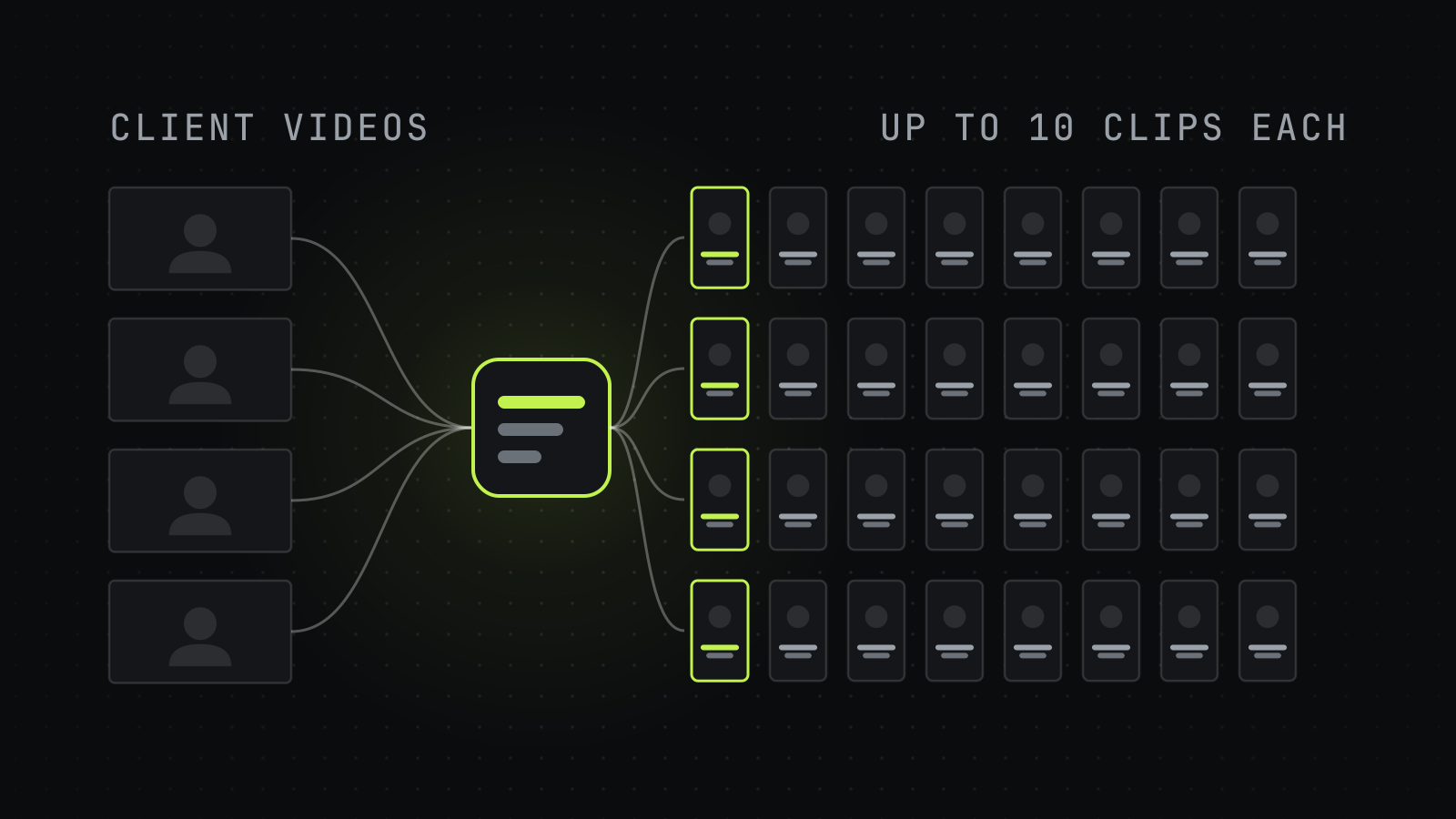
How Agencies Turn Client Videos Into Shorts, Reels and TikToks at Volume
How an agency turns a client's long videos into ranked, captioned vertical clips for Shorts, Reels and TikTok: the steps, what comes back and which plan fits.
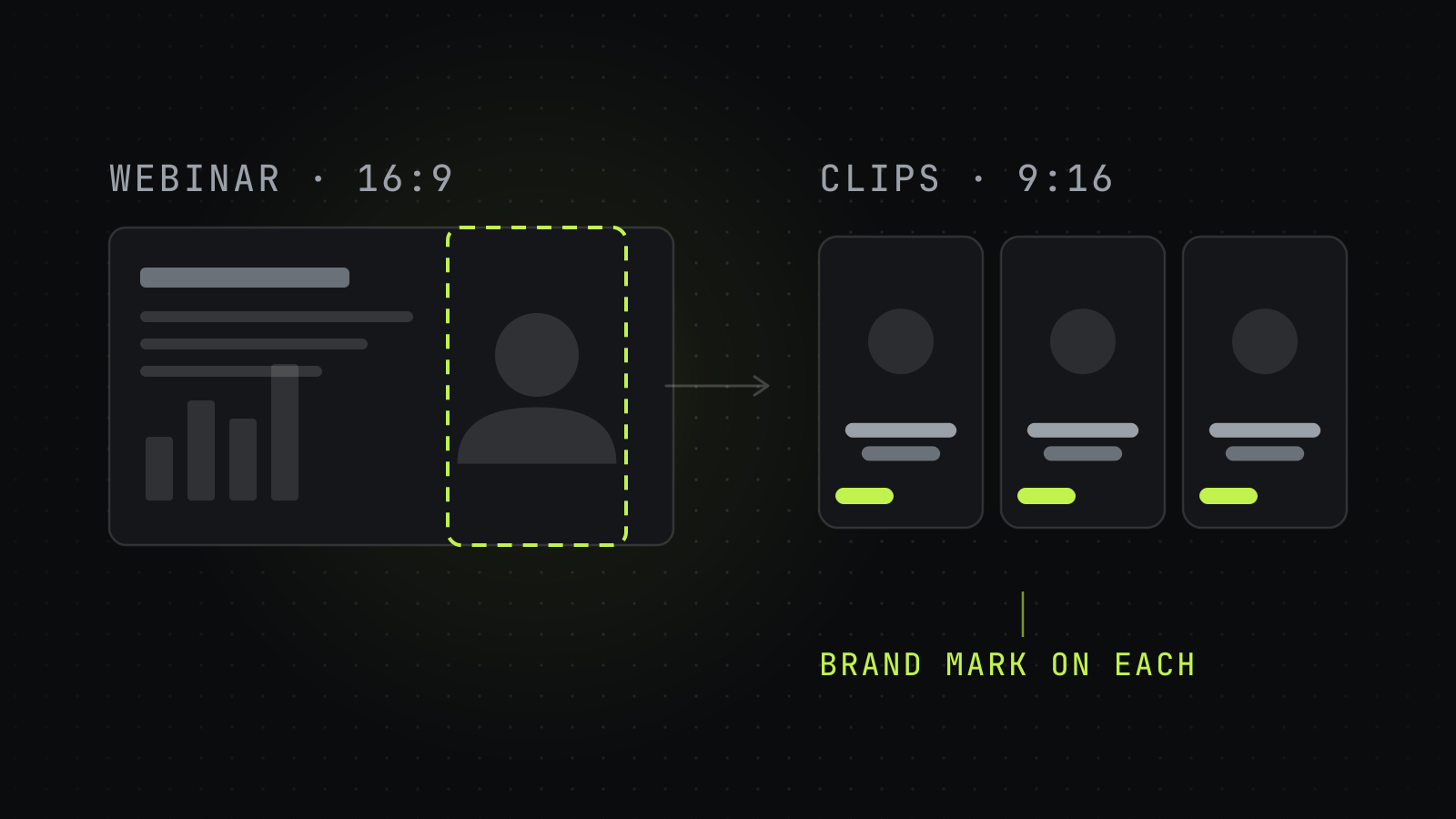
How a Company Turns Webinars, Talks and Recorded Interviews Into Short Clips
How a company turns a webinar, talk or recorded interview into ranked, captioned vertical clips: the steps, how recordings are handled and which plan fits.
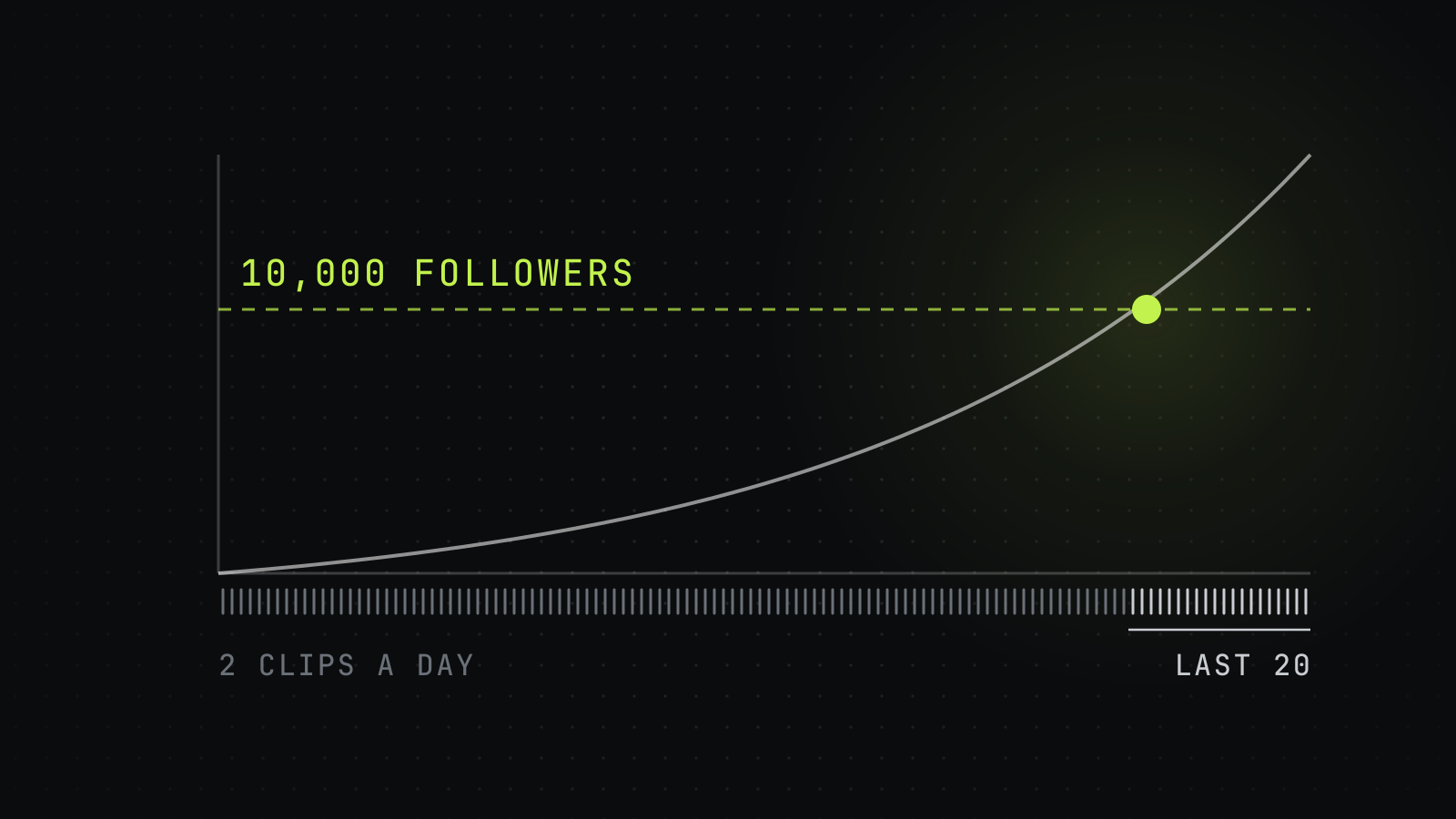
How to Grow a Clip Page to 10,000 Followers
Seven rules for taking a new clip page to 10,000 followers and into TikTok Creator Rewards: setup, cadence, niche, clip length, structure, and what your views mean.
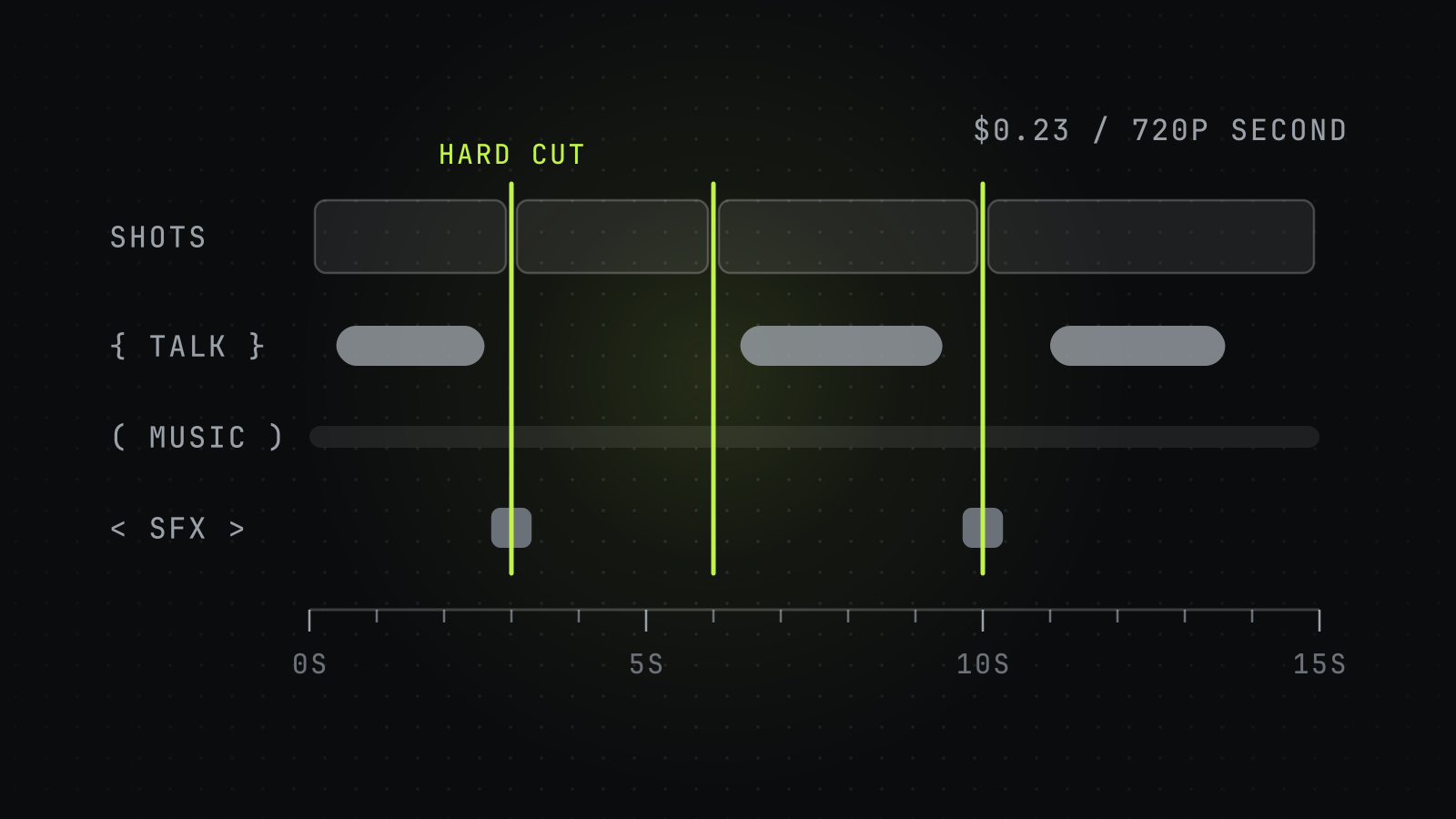
How to Use Seedance 2.5 for Ads Without Burning Credits
How to use Seedance 2.5 for ads: the real resolution ceiling, what each of the four modes actually bills on, and the prompt grammar that stops cuts morphing.
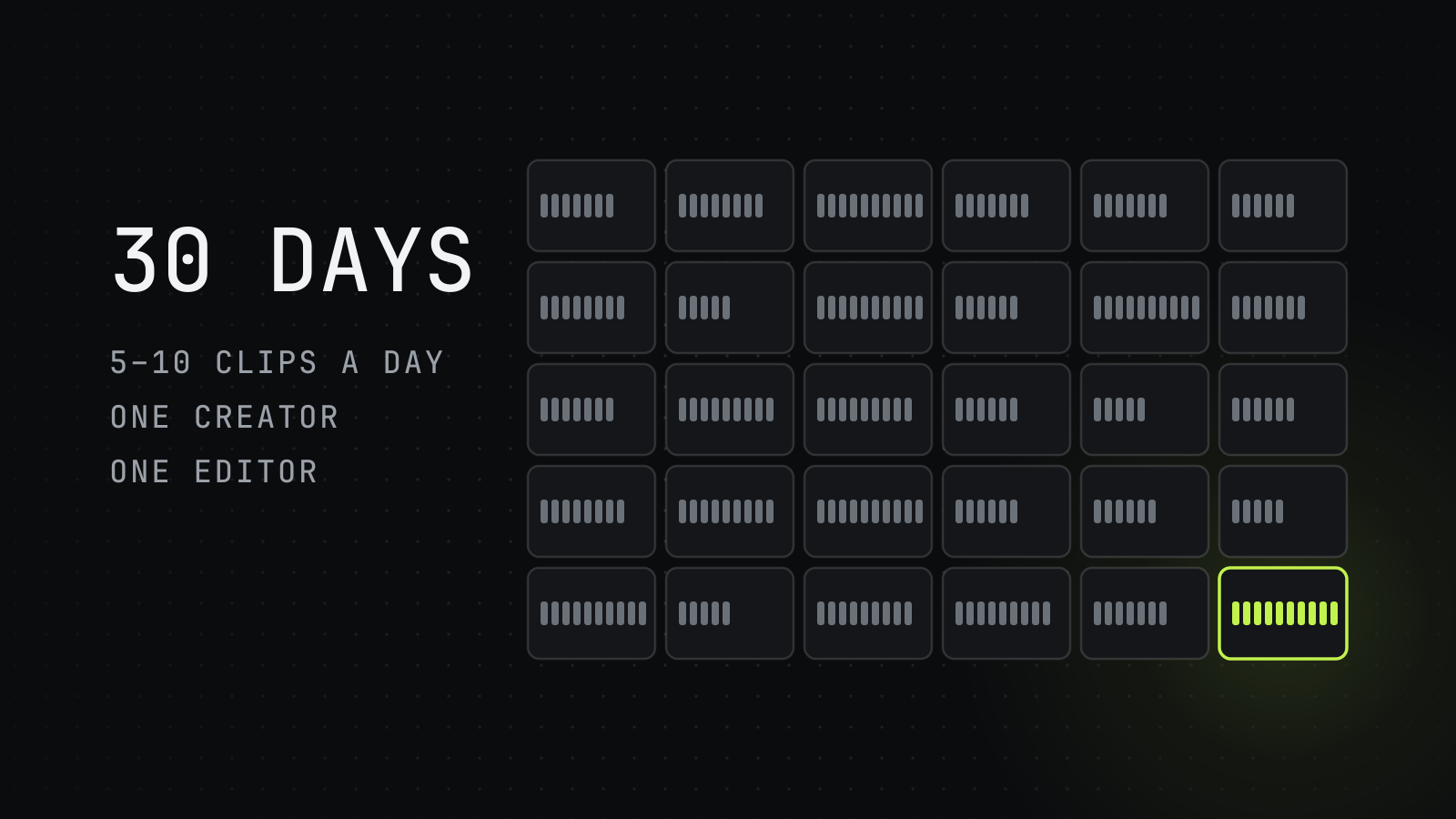
How to Start as a Clipper in 2026: A Step-by-Step Guide
How to start as a video clipper in 2026 — picking a marketplace, choosing a tool, finding campaigns that actually pay, and the mistakes that get accounts banned.
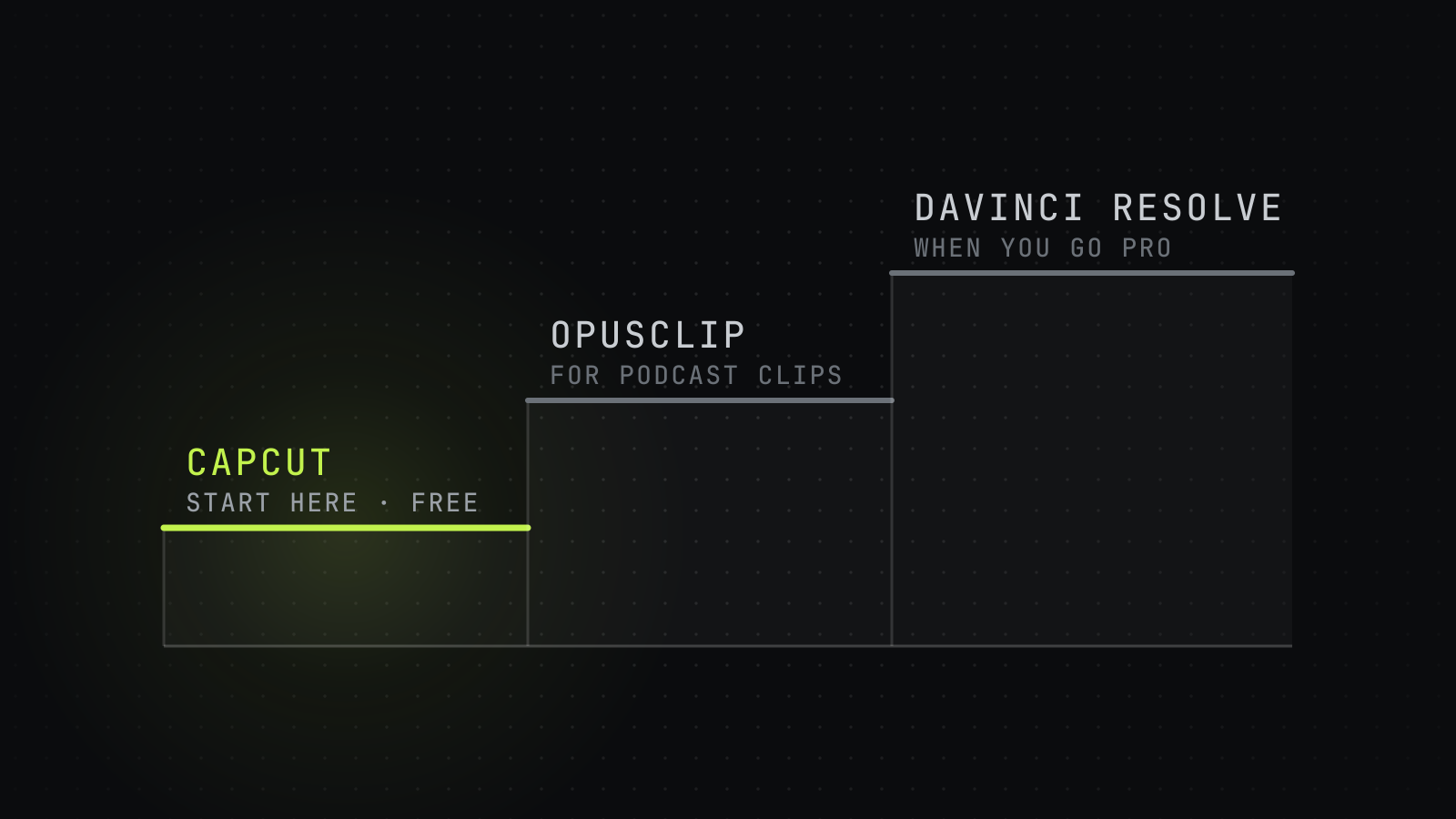
The Best Video Editing Software for Beginners in 2026
What video editing software actually works for beginners in 2026: CapCut, iMovie, OpusClip, and the AI tools that let you skip the timeline entirely.
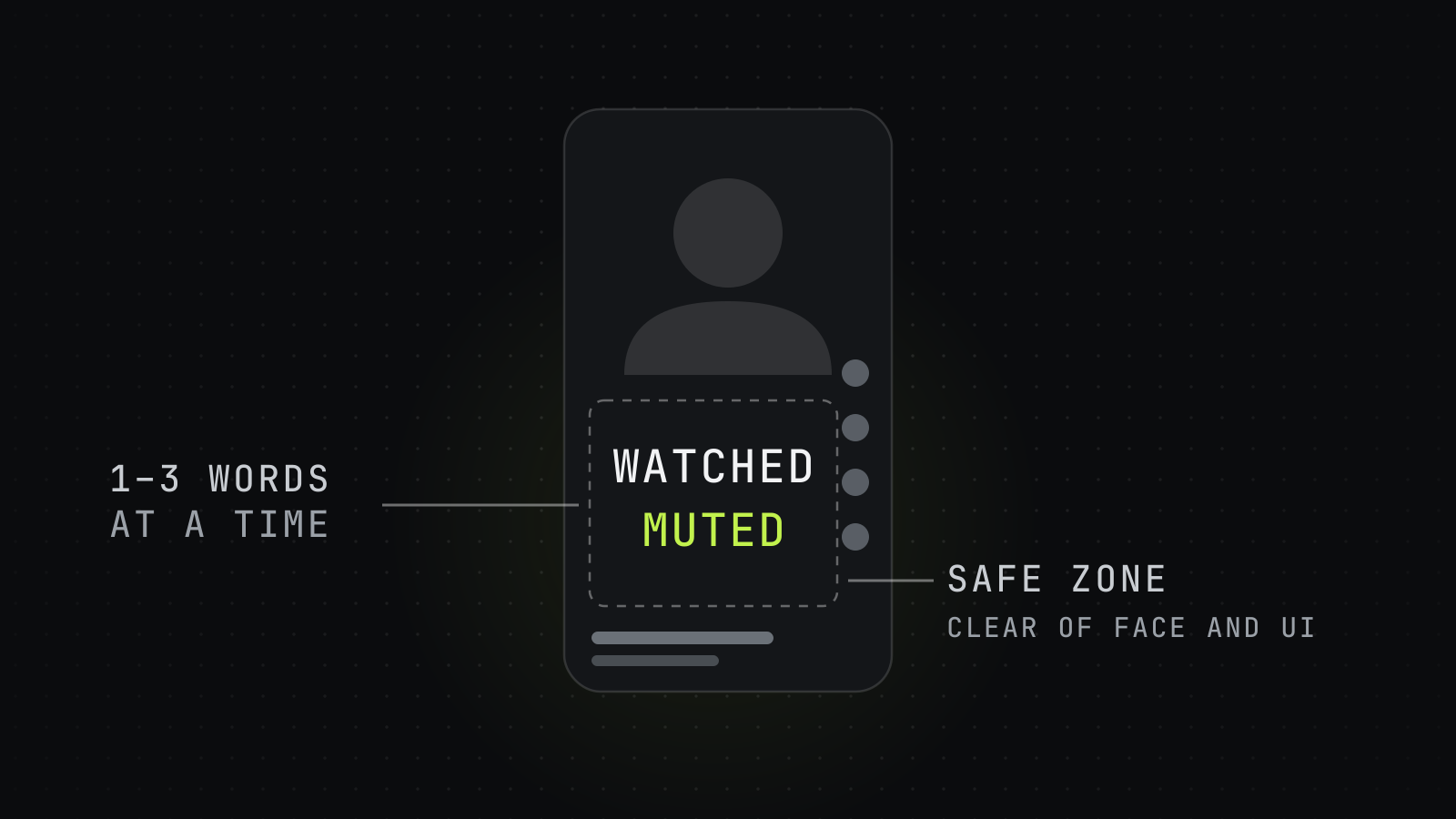
How to Caption Short-Form Videos for TikTok, Reels, and Shorts (2026)
A practical guide to captioning short-form videos: font, size, placement, word grouping, color emphasis, and the sync rules that lift retention in 2026.
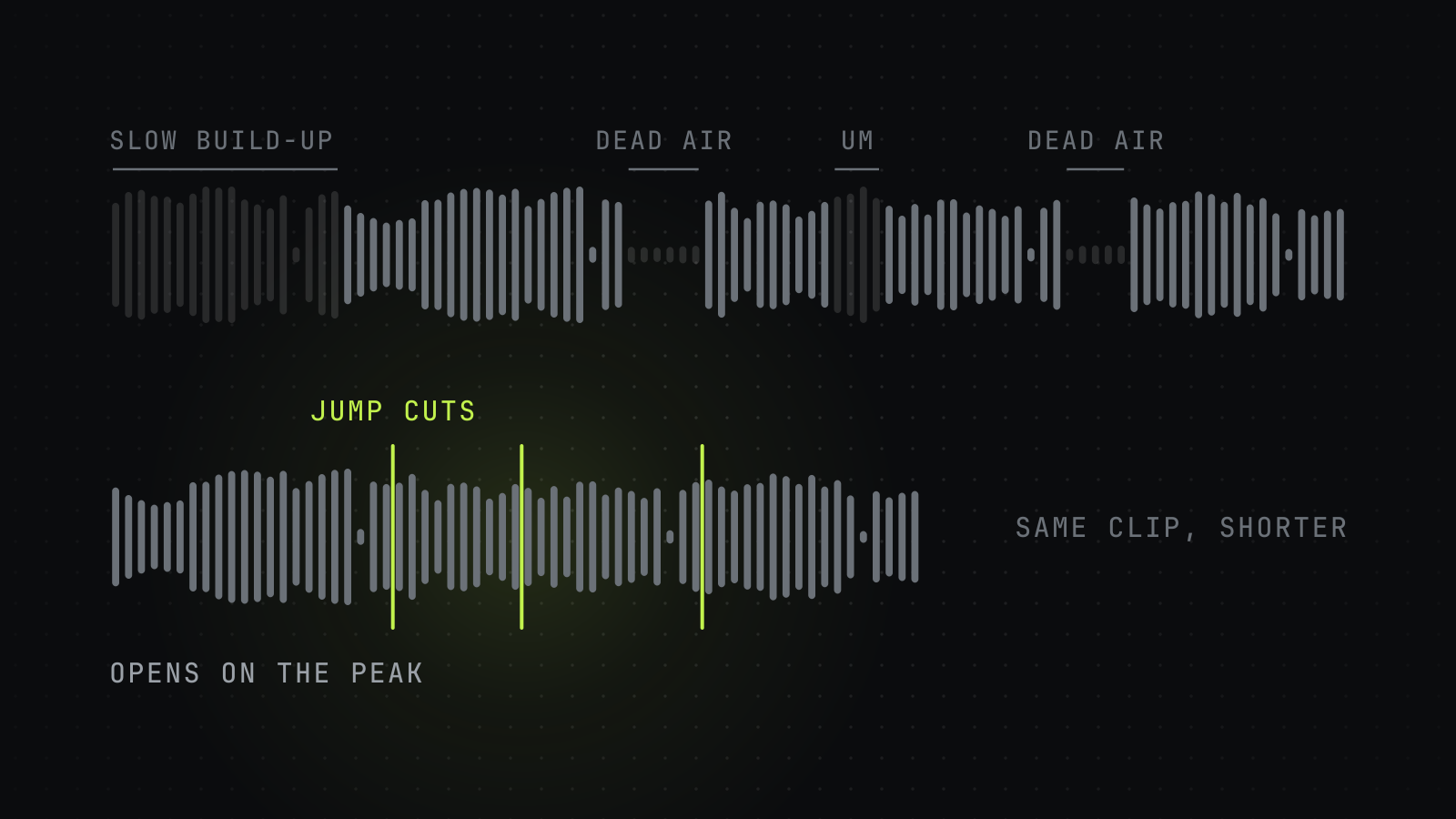
How to Edit Podcast Clips That Hold Attention (Jump Cuts, Pacing, Filler)
How to turn long podcast footage into tight vertical clips: jump cuts, filler removal, silence trimming, pacing, reframing, and motion that holds retention.
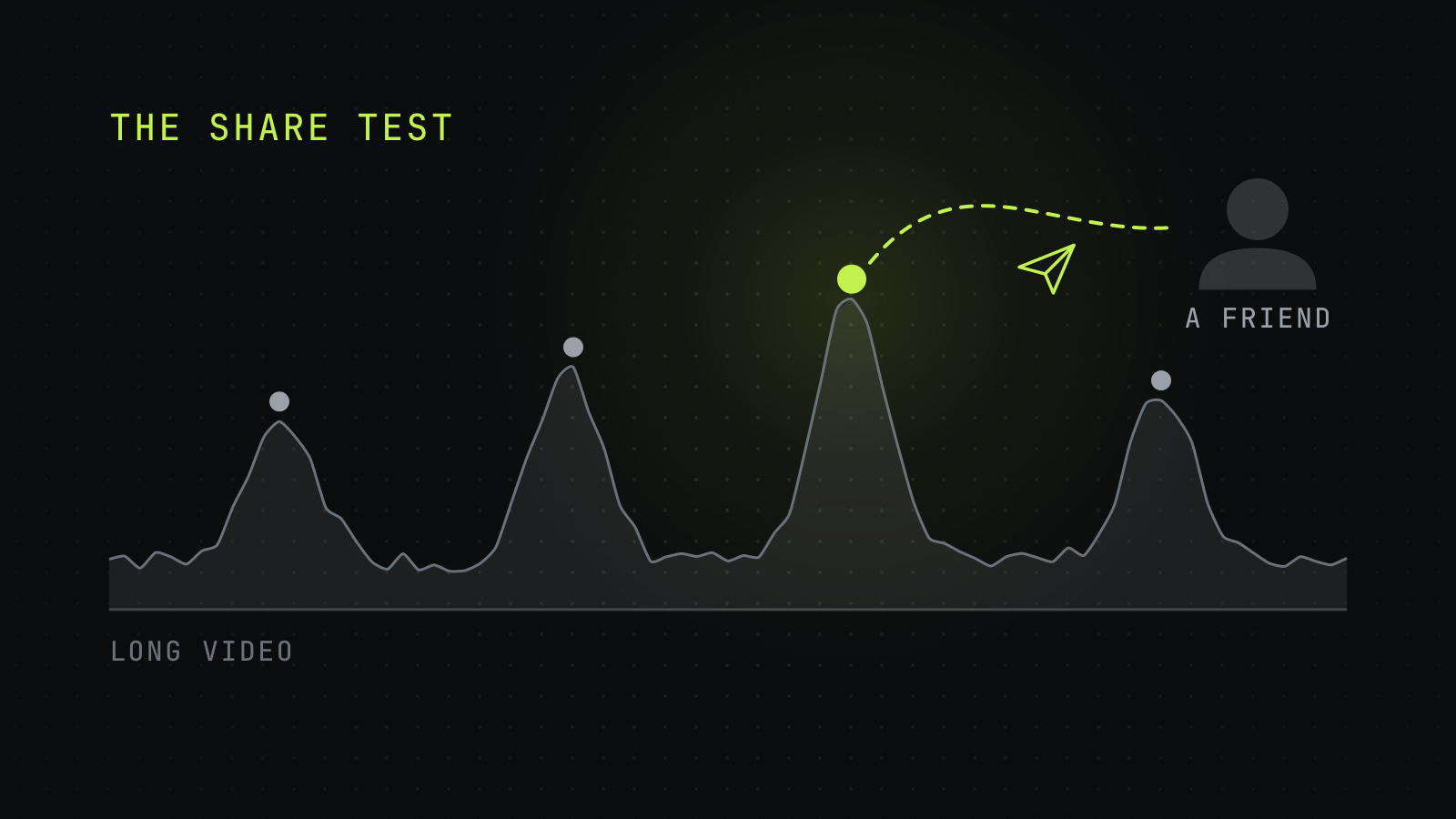
How to Find Viral Moments in Long Videos and Podcasts
How to identify the moments in a long video worth clipping: the share test, the content types that travel, and why moment selection beats editing for going viral.